CoinCorner Multisignature Wallet Recovery Strategy
CoinCorner offers Bitcoin services and wallet tools, but multisignature configurations can vary by product, account type, and custody model. This article outlines a practical recovery strategy for a CoinCorner-related multisig setup. Before relying on any plan, confirm the exact custody model, signer responsibilities, and current support terms with CoinCorner.
1. Start by mapping the custody model
A multisig wallet is only recoverable if you understand who controls which keys and what quorum is required. Document whether CoinCorner is a co-signer, a coordinator, a watch-only service, or simply an exchange account connected to a self-custody wallet. These are very different recovery scenarios.
If CoinCorner holds or co-controls a key, your recovery plan depends on their participation and service continuity. Review the terms for emergency signing, account recovery, business continuity, and succession. If CoinCorner is not a signer, you should be able to recover with your own quorum and the correct wallet descriptor.
Keep account security separate from wallet recovery. Protect the CoinCorner account with strong unique passwords, two-factor authentication, backup codes, and device approval where available. CoinCorner support should never need your seed words.
2. Design for recovery before disaster
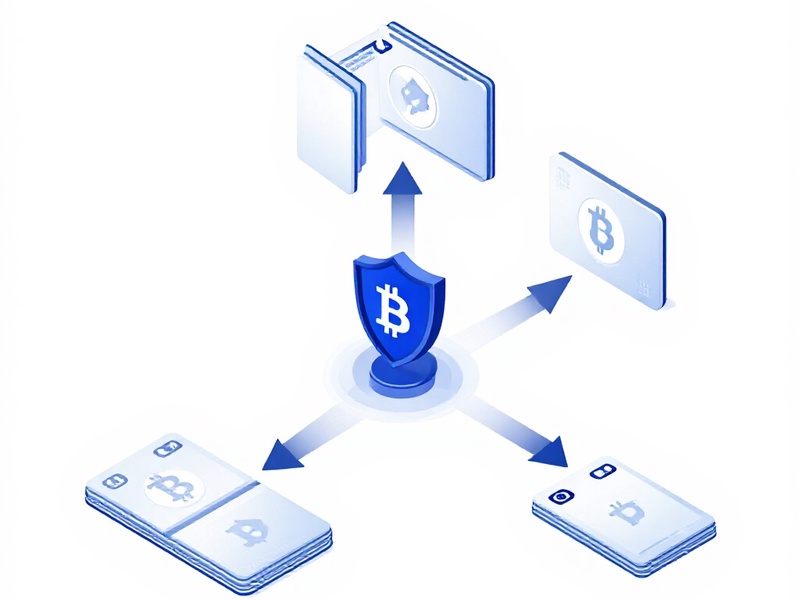
Choose a quorum that balances safety and survivability. A 2-of-3 setup is common for personal use, while 3-of-5 may suit a business or family arrangement. Avoid placing all keys with one person, one device vendor, one cloud provider, or one geographic location.
Use hardware wallets from reputable vendors and verify firmware and device authenticity. Diversify where practical. Store seed backups on durable media such as steel plates, and keep any passphrase separate from the seed backup. Encrypt digital backups and test that they can actually be restored.
3. Back up the wallet, not just the seeds
Multisig recovery requires more than individual seed phrases. You also need the wallet descriptor or output script descriptor, extended public keys, derivation paths, address type, and the exact m-of-n policy. Without these details, restoring seeds alone may not reconstruct the wallet correctly.
Store the descriptor with the quorum policy in multiple secure locations. Keep a watch-only copy available for monitoring. Document which hardware wallet, coordinator, and firmware version were used, but do not store full key material in the same place as the recovery instructions.
4. Build a written recovery runbook
A good runbook is short enough to use under stress and detailed enough to prevent mistakes. It should explain how to identify the wallet, locate the required number of signers, verify devices, import the descriptor, create or review a PSBT, sign offline, and broadcast the transaction through an independent node or trusted broadcaster.
Include contact details for trusted co-signers, but protect that document with encryption and access controls. Add a verification step for destination addresses and a small test transaction before moving the full balance. Record how to check confirmations and how to handle fee bumps if needed.
5. Test recovery with drills
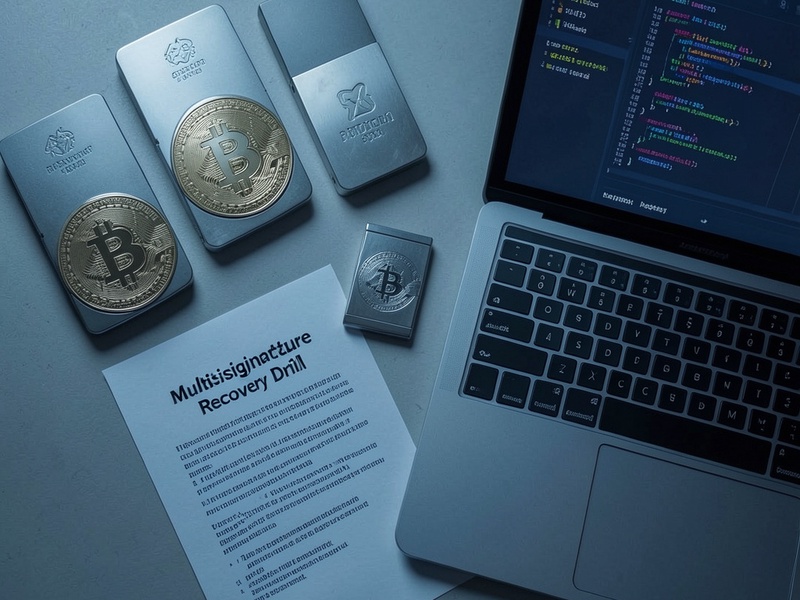
An untested backup is only a theory. Run an annual recovery drill: restore a watch-only wallet from the descriptor, confirm addresses, sign a dummy PSBT with the required quorum, and broadcast a small test transaction. Do this before you need it in an emergency.
Drills reveal missing derivation paths, outdated firmware, forgotten passphrases, and signers who cannot be reached. Update the runbook after every drill and after any change in devices, signers, or CoinCorner account settings.
6. Handle CoinCorner dependencies explicitly
If CoinCorner is a co-signer, your recovery strategy must account for service outages, account lockouts, policy changes, or business discontinuation. Ask what happens if you lose access to your CoinCorner account but still control other keys. Ask how emergency signing works and what evidence or verification is required.
If CoinCorner is not a signer, keep independent copies of the descriptor and ensure your quorum can recover without relying on any single platform. Export account statements and transaction records for accounting and legal purposes, but never treat a cloud export as a substitute for a tested wallet backup.
7. Respond calmly to incidents
If a device is lost, first confirm whether the remaining signers still meet the quorum. Do not share seeds with anyone offering help. If a key may be compromised, move funds to a new wallet with a fresh quorum rather than simply replacing one device. If the quorum is at risk, escalate immediately and follow the prewritten emergency plan.
If CoinCorner service is unavailable, determine whether their key is required. If it is not, proceed with your own signers. If it is, follow the contractual and support channels documented in your plan and preserve all relevant records.
8. Maintain, rotate, and plan succession

Review the recovery plan at least annually and after major life events. Rotate keys when signers change, devices age, or trust assumptions shift. Use a formal key ceremony for high-value wallets and record only what is necessary.
For inheritance and business continuity, give trusted successors the location of backups and the procedure to follow, not unrestricted access to every key. Consider legal and operational safeguards so that a single death, resignation, or lost device does not strand the funds.
Recovery checklist
- Confirm the custody model and CoinCorner's role.
- Document the m-of-n policy, descriptor, xpubs, and derivation paths.
- Distribute keys and backups across people and locations.
- Protect the CoinCorner account separately from wallet backups.
- Write and encrypt a recovery runbook.
- Test recovery with a small transaction every year.
- Plan for co-signer loss, service outage, compromise, and succession.
- Never share seed words with support, 'recovery agents', or unverified contacts.
A resilient CoinCorner multisignature recovery strategy is not a single backup file. It is a tested system of quorum design, clear documentation, separated trust, and regular practice.