A Dogecoin wallet is only as safe as the way you back it up and recover it. A mnemonic seed phrase, usually 12 or 24 words, can restore control of DOGE funds across compatible wallets. This guide focuses on practical Dogecoin Wallet mnemonic recovery best practices for verifying access, reducing human error, and protecting recovery data from theft.
Understand What a Dogecoin Seed Phrase Does
- A seed phrase is a compact backup of private keys and wallet metadata.
- With a valid BIP39-style phrase, a compatible wallet can regenerate addresses and transaction history.
- Some Dogecoin clients use legacy wallet files instead of a mnemonic, so always confirm your wallet type before attempting recovery.
- DOGE addresses usually begin with D, and many modern wallets derive them from an HD path, such as m/44'/3'/0'/0/0, but supported paths vary by software.
Prepare a Safe Recovery Environment
- Use an offline computer or an air-gapped device whenever possible.
- Download wallet software only from official sources and verify checksums or release signatures when available.
- Disable browser extensions, clipboard helpers, and remote-desktop tools during recovery.
- Consider using a fresh operating system install or a dedicated hardware wallet app.
- Keep the recovery area away from cameras, smart speakers, screen-recording tools, and shared networks.
Verify the Mnemonic Before Restoring
- Check that the word count matches your wallet: 12, 18, 24, or another supported count.
- Use an offline wordlist checker to confirm each word is valid and correctly spelled.
- Do not paste the seed into websites, chatbots, screenshots, notes apps, or cloud drives.
- If the wallet uses an optional passphrase, treat it as an additional layer; losing it can make recovery impossible.
- Record the exact derivation path, account number, and address format used before recovery.
Restore the Wallet in Small, Controlled Steps
- Install the compatible wallet and select Restore Existing Wallet.
- Enter the seed phrase manually, word by word, without exposing it to the internet.
- Choose the correct derivation path if the wallet asks for it.
- Restore a small test account first, not the entire backup, when possible.
- Verify that expected DOGE balances and transaction history appear before moving any funds.
Validate DOGE Addresses and Balances
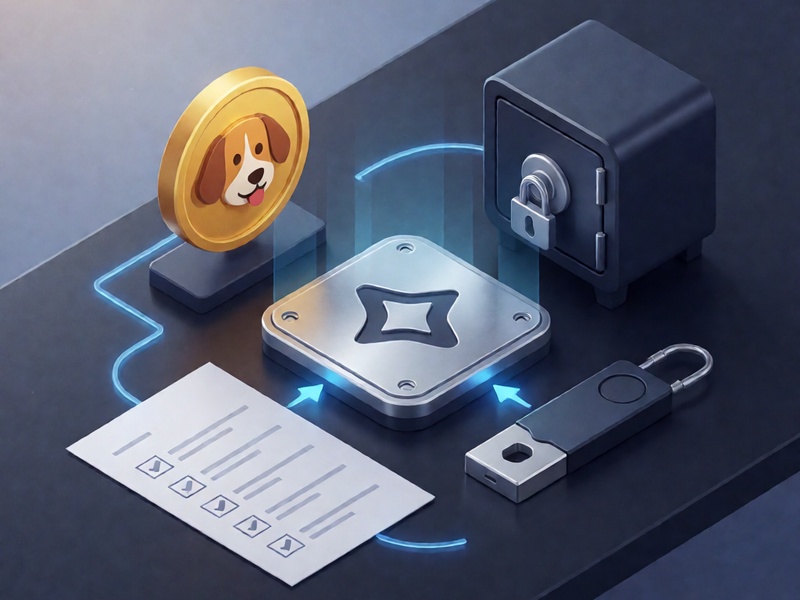
- Confirm that restored addresses start with D and match a known public address from your original wallet.
- Compare a few receive addresses, not just the first one, because HD wallets generate many addresses.
- Check transaction history against a block explorer, using public addresses only.
- If a hardware wallet is involved, verify the receiving address on the device screen, not only on the computer.
Protect the Backup and Recovery Process
- Store the seed on paper, metal, or another durable offline medium.
- Keep at least two backups in separate physical locations, protected from fire, water, and theft.
- Use tamper-evident bags or locked safes for high-value custody.
- Avoid photographing the seed, emailing it, typing it into search engines, or storing it in a password manager unless you understand the risks.
- Rotate and revalidate backups periodically, especially after firmware, wallet, or address-format changes.
Common Failure Modes to Avoid
- Entering words out of order or adding extra spaces.
- Using a wallet that expects a different derivation path.
- Assuming a legacy wallet file can be replaced by a mnemonic.
- Forgetting an optional passphrase.
- Trusting a recovery service, tech support pop-up, or direct message asking for seed words.
- Restoring on a compromised device and letting malware rescan the wallet.
Final Best-Practice Checklist
- Confirm wallet type and mnemonic support.
- Use an offline, verified recovery environment.
- Check spelling, order, and checksum validity of all words.
- Record the derivation path, account indexes, and address formats.
- Restore small amounts first and validate balances before moving funds.
- Store backups offline, in multiple secure locations, and review them regularly.
Conclusion
Dogecoin Wallet mnemonic recovery best practices are not just about remembering 12 or 24 words. They are about building a repeatable, offline-safe process that protects private keys, validates address derivation, and reduces single points of failure. When recovery is treated as a controlled security operation, DOGE holders can restore access with far less risk of loss, phishing, or accidental exposure.