Losing access to an Avalanche wallet mnemonic can be stressful, especially when the wallet holds meaningful assets. Avalanche wallets generally rely on BIP-39-style recovery phrases, meaning the mnemonic is a standardized list of words that encodes entropy and a checksum. The phrase Avalanche word combination recovery refers to systematically reconstructing a partially remembered seed phrase using known words, word positions, BIP-39 constraints, checksum validation, and wallet derivation details. It is not a magic Avalanche-specific shortcut, and it should only be attempted by the legitimate owner of the wallet.
1. Understand what you are recovering
Most Avalanche wallet recovery phrases use 12 or 24 words from the BIP-39 wordlist. Word order matters, and the final word often contains checksum information that can help reject invalid combinations. However, recovering the mnemonic is only part of the process: the wallet must also derive accounts using the correct derivation path and compatible software. Two wallets can accept the same mnemonic but display different addresses if their derivation settings differ.
2. Build a private evidence inventory
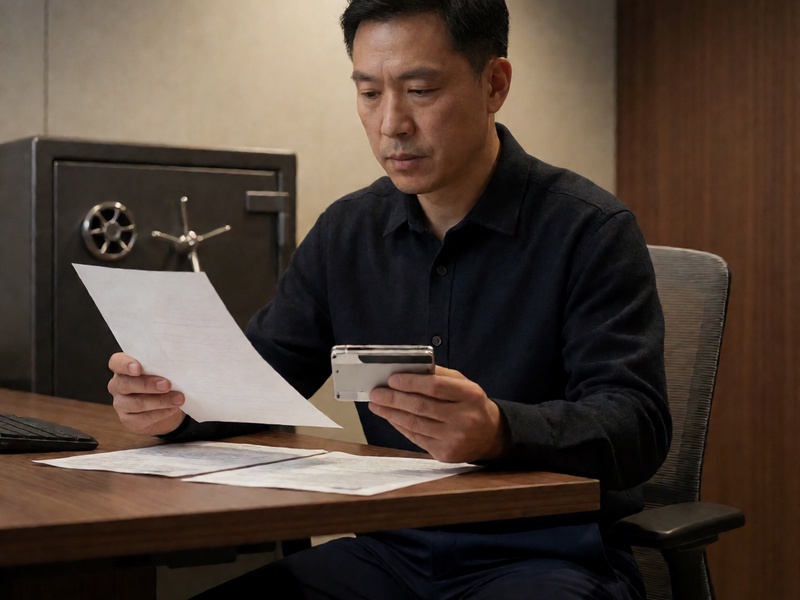
Before attempting any reconstruction, list only what you genuinely know in a private, offline document. Record confirmed words, possible positions, the language of the phrase, whether it was 12 or 24 words, the wallet application used, approximate creation date, and any known Avalanche addresses. Never post partial seed words, screenshots, or wallet metadata in public forums or social media. Small clues can help reduce the search space, but they can also expose you to targeted attacks.
3. Use a safe word-combination recovery framework
A legitimate recovery effort should be offline, controlled, and conservative. Work on an air-gapped device when possible, use reputable open-source tools, and verify software signatures before use. Start with confirmed words and positions, then generate only plausible candidates. Checksum validation can eliminate many invalid combinations without exposing the seed to an online service. Compare derived public addresses against known receive addresses rather than broadcasting private wallet data. If the search space is still enormous, stop and reassess instead of attempting random full-phrase guessing.
4. Avoid common recovery mistakes
Never enter a mnemonic into a website, chatbot, cloud note, or unfamiliar browser extension. Avoid recovery services that request the full seed phrase through chat or email, promise guaranteed results, or pressure you to pay upfront. Be cautious with anyone who claims to have Avalanche-specific recovery techniques that bypass standard BIP-39 rules. A real recovery process should include clear ownership verification, transparent methods, and strong operational security.
5. Know when to seek professional help
If the missing information is complex or the wallet value justifies specialist assistance, choose an established recovery provider with verifiable references and a clear privacy policy. Ask how they handle seed material, whether work can be performed offline, and how ownership will be proven. Even with professional help, keep the principle of least exposure: share only the minimum information needed, and never send a complete mnemonic unless there is a secure, legally appropriate process in place.
6. Prevent future mnemonic loss
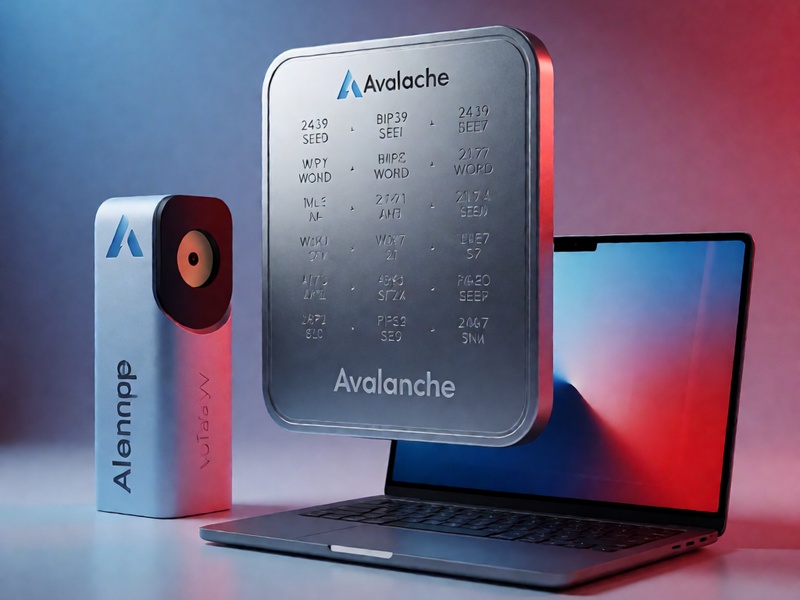
Use durable backups such as metal seed plates, store copies in separate secure locations, and test restoration with a small transaction before relying on the backup. Keep recovery metadata separate from the seed itself, and document wallet types and derivation settings without recording the full phrase in digital notes. Education and preparation are far safer than emergency reconstruction.
Avalanche mnemonic recovery is possible only within the limits of the information you still have. Word-combination techniques can help legitimate owners organize a careful recovery attempt, but they must be paired with offline security, checksum validation, derivation-path awareness, and strong scam avoidance.