A damaged hard drive containing a cryptocurrency wallet is not an ordinary storage failure. Wallet files are small, frequently encrypted, and easily overwritten by routine system activity, which makes every action matter. BitKey's recovery approach is built around a disciplined principle: preserve the original media, work from a forensic image, and extract only the artifacts that are relevant. The objective is not to repair the drive in place, but to recover wallet files safely, validate them, and return them to the rightful owner under controlled conditions.
Why Wallet Recovery Is Different
General data recovery focuses on documents, photos, and application data. Wallet recovery is narrower and more sensitive. A single file such as wallet.dat, a keystore JSON file, an Electrum wallet, or a browser extension database may be the only route to funds. At the same time, the drive may also contain large blockchain data directories, browser caches, and unrelated personal files.
A BitKey-style workflow therefore prioritizes evidence preservation and precise identification. It avoids booting the damaged drive, avoids installing recovery software on the original disk, and treats every read operation as potentially destructive. The process also recognizes that encryption is a hard boundary: BitKey can recover encrypted wallet files, but it cannot break strong passwords or bypass encryption without valid credentials.
Phase 1: Triage and Safe Handling
The first step is to stop using the drive. If it is making clicking, grinding, or repeated spin-up noises, power it down immediately. Mechanical symptoms usually require a clean-room environment and professional hardware intervention. For solid-state drives, controller failures and TRIM behavior can reduce recoverability, so early action is critical.
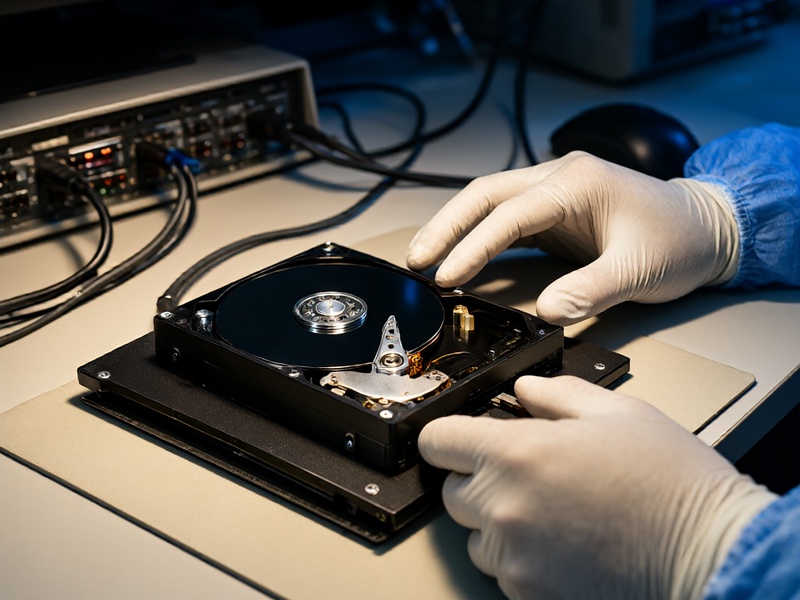
During triage, the recovery team documents the drive type, interface, operating system, encryption method, and wallet software involved. Relevant encryption systems may include BitLocker, FileVault, LUKS, or third-party containers. The team also confirms legal ownership and authorization before any recovery work begins. Chain-of-custody documentation, photographs, and labels help prevent confusion when multiple drives or wallets are involved.
Phase 2: Stabilize and Image the Drive
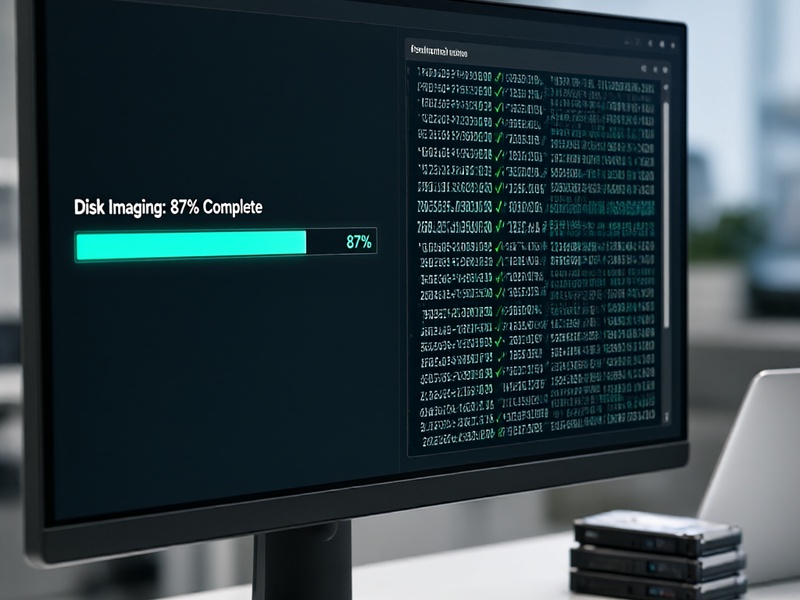
BitKey's workflow does not extract wallet files directly from unstable media. Instead, it creates a forensic image of the drive using a hardware write blocker and imaging tools such as ddrescue or a dedicated forensic imager. The imager is configured to skip bad sectors, log errors, and make multiple passes when necessary. The goal is to capture as much readable data as possible without stressing the failing drive.
The original drive is then set aside. All subsequent analysis is performed on a verified clone or image file. This step is essential because file-system repair, carving, and wallet extraction all involve repeated reads that could further damage a weak drive.
Phase 3: Reconstruct the File System
Once a stable image exists, the recovery team mounts it read-only and reconstructs the file system. Tools such as Autopsy, FTK, X-Ways, TestDisk, and PhotoRec may be used depending on the failure mode. The team examines partition tables, directory entries, MFT records, journal data, and unallocated space. If the volume is encrypted, the team needs the correct password, recovery key, or escrowed key before file-level analysis can proceed.
This phase produces a catalog of recoverable files and file fragments. The team does not simply extract everything. Wallet recovery requires a targeted search because unrelated files can increase noise, expose sensitive data, and complicate validation.
Phase 4: Identify Wallet Artifacts
BitKey's extraction stage looks for known wallet artifacts and their backups. Common examples include Bitcoin Core wallet.dat files, Electrum wallet files, Ethereum keystore JSON files, Monero wallet files, Exodus and Atomic wallet databases, browser extension LevelDB and IndexedDB stores, and MetaMask vault data. The team also searches for seed backups, private key exports, and encrypted JSON or key files that may have been saved outside the default wallet directory.
Identification combines file-system metadata, file signatures, known directory structures, and carving techniques. Each candidate file is hashed and logged. A recovered file is not assumed to be valid merely because it has a familiar name; it must be opened with the correct wallet software in an offline environment and checked against known addresses, labels, or transaction history.
Phase 5: Extract and Validate
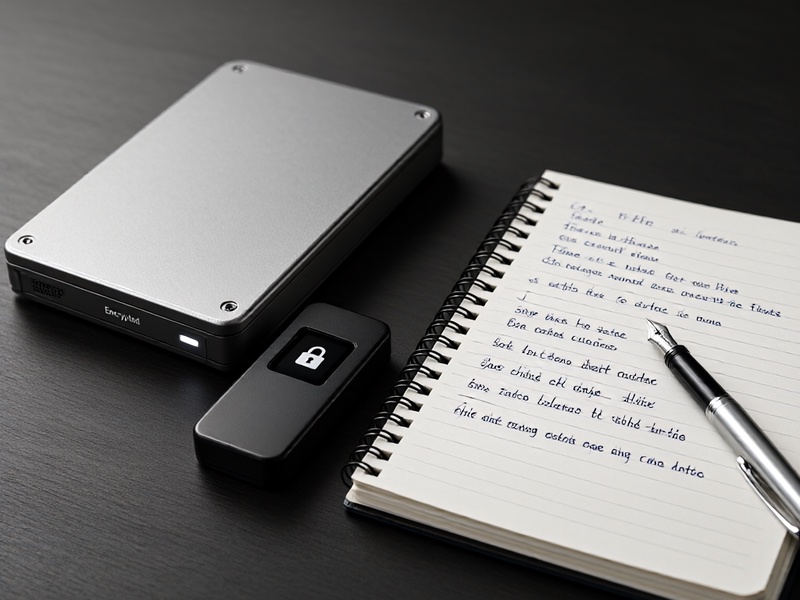
Extraction is performed on a clean, encrypted workstation that is disconnected from untrusted networks. Recovered wallet files are copied to encrypted storage, and hashes are compared before and after transfer. The team then attempts to open the wallet with the appropriate software in a controlled offline environment. If the wallet is encrypted, the owner must supply the password or recovery key. BitKey does not brute-force strong encryption.
Validation is critical. The team checks whether the wallet opens, whether addresses match the owner's records, and whether the file is a complete wallet rather than a cache or fragment. No funds should be moved until the wallet is fully verified and a secure backup has been created. If a wallet file is corrupted, the team may inspect backup versions, journal fragments, or database repair options, but results are never guaranteed.
Phase 6: Secure Handover and Remediation
After recovery, wallet files are returned through encrypted media or another agreed secure channel. The team documents what was recovered, what could not be recovered, and any remaining risks. Working copies are deleted according to the engagement policy, and the owner should rotate credentials if compromise is suspected. Recovered funds should be moved to a new wallet only after the owner has verified access and created multiple offline backups of the new seed phrase or recovery material.
Limitations and Ethical Requirements
BitKey-style recovery cannot overcome every failure. Severe physical damage, unrecoverable encryption, overwritten sectors, and failed solid-state controllers can make extraction impossible. Recovery also requires clear legal authorization. The process should only be used on drives and wallets owned by the requesting party or covered by explicit written consent.
Conclusion
How BitKey extracts wallet files from damaged hard drives comes down to a forensic sequence rather than a single tool: stop using the drive, create a stable image, reconstruct the file system, identify wallet artifacts, validate every candidate, and hand over the results securely. This method maximizes the chance of recovery while minimizing further damage and protecting the owner's sensitive financial data.