If you are searching for 'Math Wallet加密文件破解方法', you probably have an encrypted wallet file, a forgotten password, or a damaged backup. This guide from Crypto Wallet Recovery Guide explains how to recover your own Math Wallet encrypted files legally and safely. First, treat this as data recovery, not hacking: cracking a wallet you do not own is unauthorized access. If the file belongs to you, follow these offline-first steps before using any brute-force tool.
Confirm the file is yours and isolate it
- Store a copy of the original encrypted file and keep it read-only.
- Work on a device without internet, using a password manager and a secure offline folder.
- Never upload a keystore, private key, mnemonic, or seed phrase to an online converter, Discord bot, Telegram bot, or web tool.
- Record the wallet software, version, device, file path, and date when you last accessed it. These clues matter more than blind password guessing.
Understand what a Math Wallet encrypted file may be
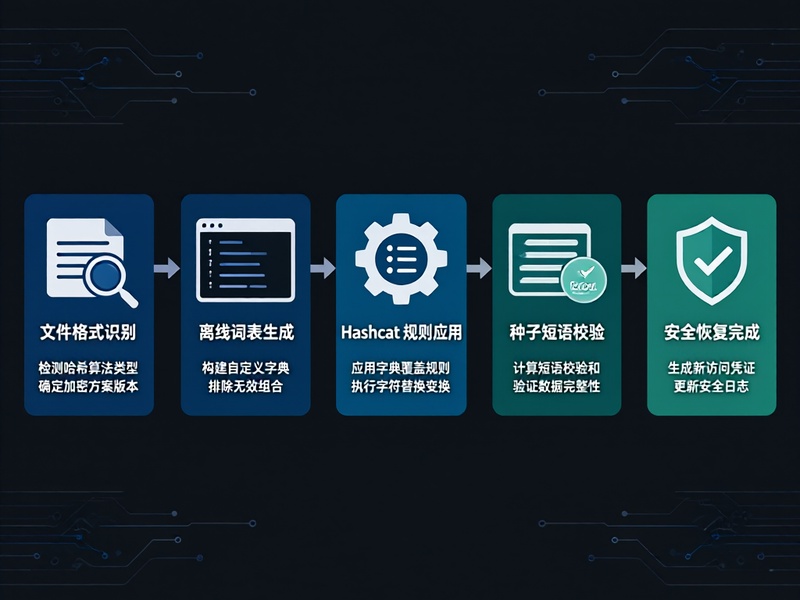
A 'Math Wallet加密文件破解方法' usually refers to regaining access to one of these objects: a password-protected wallet file, an Ethereum-style JSON keystore, a Bitcoin-style wallet.dat, an Electrum backup, or an exported backup containing keys. Some wallets store only a mnemonic, while others store a deterministic seed that unlocks many addresses. If the original password is not recoverable, the only safe fallback is the official backup phrase, export code, or a trusted device that still holds the unlocked session. The file extension alone is not enough—inspect the file header and compare it with the official app export format.
Start with non-technical recovery
- Check saved browser passwords, device keychains, or password managers.
- Search notes, emails, and physical backup cards for the exact password style you used.
- If the app supports password reset through a seed phrase, restore using the official import process.
- For hardware wallets, use the official device and companion app rather than third-party tools.
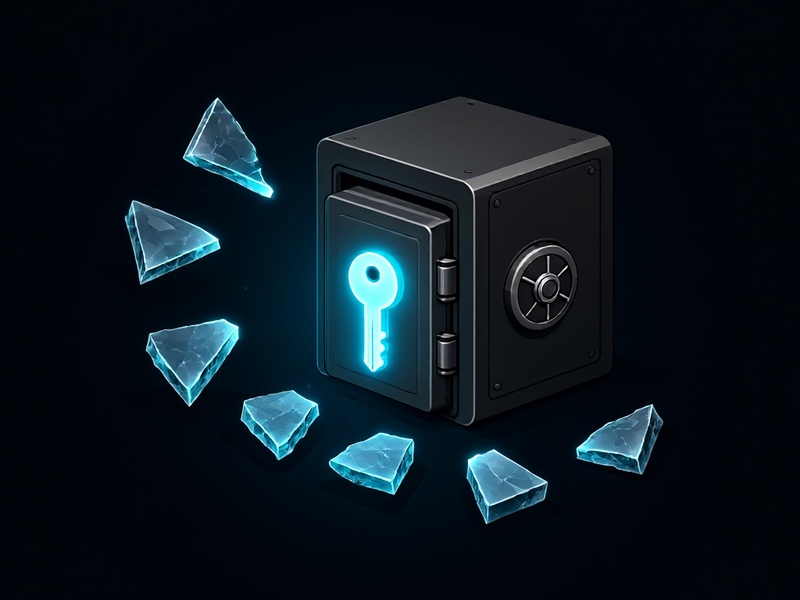
When to use offline recovery tools
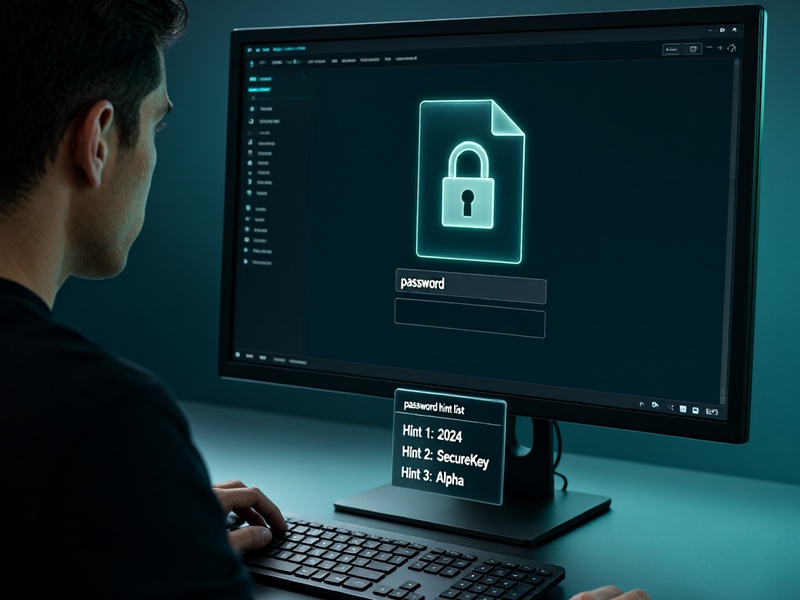
If the wallet file matches common Bitcoin or Ethereum formats, tools such as Hashcat, btcrecover, and Pywallet may be useful. Hashcat is strong when you can define the hash type and know password patterns. btcrecover works with several known wallet-file formats and supports wordlists, masks, and permutations. Pywallet is mainly useful for legacy Bitcoin wallet.dat situations, so only use it when you have verified compatibility and made backups. Start with small, personal dictionaries: pet names, birth years, old emails, phone number fragments, and password variations. A well-scoped attack is faster and safer than a huge random guess.
Handle partial seed phrases, not just file passwords
If you remember only some words from a 12- or 24-word BIP39 phrase, do not assume the problem is just file-password cracking. Partial seed recovery may involve checksum validation, missing-word lists, and address derivation on an offline computer. This is different from decrypting a file. If both the seed and password are lost, recovery success depends on the remaining hints, backup fragments, or an unlocked session. No tool can magically create an unknown seed phrase, and no legitimate service can guarantee access to a properly encrypted wallet without enough key material.
Repair damaged files and backups
Sometimes the password is not wrong; the backup is corrupted. Check file size, permissions, checksums, and whether the app can re-import an older version. Reinstall the official wallet on a new device, then restore the last known good backup. If the file was copied incompletely from cloud storage, ask the provider for the full backup and keep the original timestamped copy.
Red flags to avoid
- Sites claiming instant Math Wallet password cracking.
- Remote access requests for TeamViewer, AnyDesk, or screen-sharing.
- Paid services that ask for your seed before verifying legitimacy.
- Random binaries from forums or unverified GitHub forks.
Final recommendation
Use this article as an ethical checklist. For step-by-step tutorials, tool comparisons, and safe recovery workflows, see the Crypto Wallet Recovery Guide. A careful, offline-first approach protects assets far better than rushing into online guessers. If the file is a simple password-protected keystore you own, test known patterns first; if the backup is missing or damaged, focus on reconstructing the seed or official export before spending CPU time on brute force. A successful 'Math Wallet加密文件破解方法' is not about force alone—it is about matching the correct file format, using the right offline tool, and never leaking the secret material.