A BIP39 seed phrase is a single point of failure. If the full 12 or 24 words are copied once, photographed, or stored in one place, one leak or accident can put an entire crypto wallet at risk. Digital Shield mnemonic sharding is a defensive storage strategy that reduces this risk by distributing a seed phrase through threshold shares instead of keeping one complete copy. This guide explains the strategy, how to implement it safely, how recovery works, and which mistakes to avoid. It is part of the Crypto Wallet Recovery Guide at /.
What Digital Shield mnemonic sharding means
In this guide, Digital Shield refers to a defensive mnemonic sharding strategy, not a specific wallet vendor. The goal is to protect a BIP39/BIP32 seed phrase with defense in depth while preserving a realistic recovery path.
- Threshold sharding: Use a k-of-n scheme such as Shamir Secret Sharing or SLIP-39. Any k shares reconstruct the secret, while fewer than k shares should reveal no useful information.
- Not simple word splitting: Cutting a 12-word phrase into three groups of four words is not secure sharding. Naive fragments reduce entropy and can make partial recovery or offline dictionary attacks easier.
- Works with existing wallets: The strategy can protect backups for MetaMask, MyEtherWallet, Electrum, Ledger, and other BIP39-compatible wallets.
- Supports a recovery plan: The purpose is not only to hide the seed but to ensure that trusted people or future you can reconstruct it under clear conditions.
Why simple mnemonic splitting is risky
A common mistake is to write four words on one card, four on another, and four on a third. This feels distributed, but it is usually weaker than a true threshold scheme.
- Each fragment leaks information about the seed.
- If several fragments are found, word combination inference and BIP39 checksum validation can reduce the search space.
- Labels, envelopes, and storage locations can accidentally reveal share order or ownership.
- A lost fragment may create permanent uncertainty even when other fragments remain.
A proper Digital Shield mnemonic sharding strategy uses a cryptographic threshold scheme, not handwriting fragments of the final seed phrase.
Core design principles

1. Offline first
Generate shares and test recovery in an offline or air-gapped environment. Avoid online seed phrase tools, cloud notes, photo albums, and browser-based generators. If you use open-source recovery tools such as btcrecover, HashCat, or Pywallet for password recovery tasks, run them offline and only after understanding the risks.
2. Threshold, not fragments
Choose a quorum that balances loss risk and theft risk. For example, a 2-of-3 or 3-of-5 scheme may be appropriate for personal use, while high-value accounts may justify multisig, SLIP-39, or a more formal inheritance plan.
3. Separate trust domains
Store shares in different physical locations and, where appropriate, with different trusted parties. Do not store all shares in one safe, one cloud account, or one hardware wallet box. The separation should be meaningful, not just three envelopes in the same drawer.
4. Keep metadata separate from secrets
Store instructions, wallet type, derivation path notes, and recovery contact details separately from the shares. Metadata helps recovery without revealing the secret. Never write the full seed phrase in the instructions.
5. Treat the BIP39 passphrase separately
If you use a BIP39 passphrase, understand that it is an additional secret. Do not store the passphrase with the quorum shares. Plan how it will be recovered if you are unavailable.
6. Test before relying on it
Create the sharding plan, reconstruct the seed in an offline environment, restore the wallet, and verify the address before moving significant funds. A backup that has never been tested is only a hope.
Implementation steps for a Digital Shield mnemonic sharding strategy
- Define the threat model. Decide whether the main risk is theft, fire, flood, hardware failure, lost memory, or inheritance failure. The answer affects quorum size and storage locations.
- Choose the method. Use SLIP-39 if your hardware wallet supports it, or a reviewed Shamir Secret Sharing implementation. For high-value accounts, consider multisig so no single seed phrase controls the assets.
- Create the seed offline. Use a hardware wallet or trusted offline environment. Record the original 12 or 24 words only temporarily and in a secure space.
- Create threshold shares. Generate k-of-n shares using the selected scheme. Verify that any k shares reconstruct correctly and that fewer than k do not reveal the seed.
- Destroy or secure the original carefully. If the goal is eliminating a single point of failure, do not leave an unshared full copy in an obvious location. If you keep one full backup, treat it as another high-risk share and secure it accordingly.
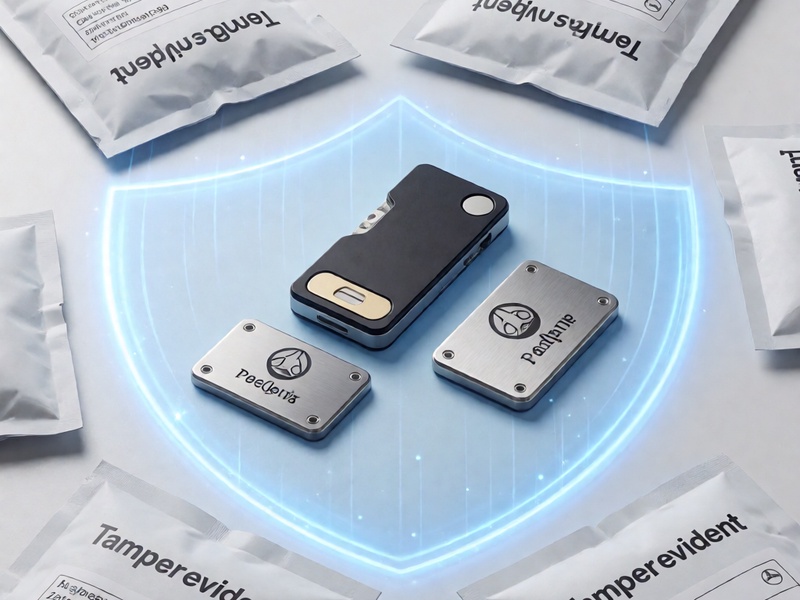
- Distribute shares. Place shares in separate secure locations, such as a home safe, a bank box, and a trusted family member with clear instructions. Use tamper-evident packaging where practical.
- Store recovery metadata. Keep wallet type, share scheme details, quorum rules, and contact instructions separate from the shares. Do not include enough information to reconstruct the wallet in one place.
- Test recovery annually. Reconstruct in an offline environment, restore to a test wallet, and confirm the expected addresses. Check that shares are readable and storage locations remain accessible.
Recovery workflow
When recovery is needed, slow down and work offline.
- Gather the quorum. Collect the required number of shares from their separate locations. Check packaging and note any signs of tampering.
- Reconstruct the seed offline. Use the same threshold scheme and a trusted offline device. Do not enter shares into websites or chat tools.
- Restore the wallet. Import the recovered seed into the appropriate wallet. For MetaMask or MyEtherWallet, verify the account and network before interacting with assets. For Electrum or Ledger, confirm the derivation path and account selection.
- Handle partial memory carefully. If you remember some of the 12 or 24 words but not all, list known words and positions, then use the official BIP39 wordlist and checksum rules in an offline script. Partial memory, word combination inference, and offline dictionary attacks can sometimes help, but they must be performed in a controlled environment.
- Use password recovery tools only when appropriate. Tools such as btcrecover, HashCat, and Pywallet may help with wallet password recovery or legacy file recovery. They are not a substitute for a missing threshold quorum, and they should be run offline with clear expectations.
- Avoid untrusted recovery services. A service that asks for all shares, the full seed phrase, or remote access to your device should be treated with extreme caution.

Cold wallet and hardware wallet backup notes
For cold wallets and hardware wallets, the seed phrase remains the ultimate backup even when the device is protected by a PIN. Digital Shield mnemonic sharding should be integrated with the device recovery process.
- Keep the hardware wallet firmware and recovery instructions available offline.
- Store shares separately from the hardware device and its PIN.
- Confirm whether the device supports SLIP-39 or only standard BIP39 recovery.
- If the device is damaged, do not panic-buy a replacement from an untrusted seller. Use the threshold shares and a verified replacement device.
- For Ledger, Electrum, MetaMask, and MyEthereumWallet users, confirm the exact recovery phrase format and derivation settings before assuming a restore has failed.
Common mistakes to avoid
- Splitting the 12 or 24 words into simple fragments and calling it sharding.
- Storing shares as photos, cloud notes, email drafts, or chat messages.
- Keeping all shares in one building or with one person.
- Forgetting the BIP39 passphrase or storing it with the shares.
- Failing to test reconstruction before funding the wallet.
- Using online seed phrase checkers or unknown browser tools.
- Losing the quorum because instructions were unclear.
- Assuming a hardware wallet alone removes the need for a tested backup plan.
Key takeaways
Digital Shield mnemonic sharding is strongest when it uses a real threshold scheme, offline generation, separate trust domains, tested recovery, and clear documentation. It protects against single-point failure without pretending that complexity is free. For wallet-specific recovery steps involving MetaMask, MyEthereumWallet, Electrum, Ledger, btcrecover, HashCat, Pywallet, and BIP39/BIP32 recovery logic, use the Crypto Wallet Recovery Guide at / as a practical reference. Security first, recovery second, convenience last.