An XRP cold wallet multisignature backup and recovery strategy is a security system that splits signing authority among multiple trusted keys, stores those keys offline, and defines tested recovery paths. For holders of XRP on the XRPL, the goal is simple: no single device, person, or location can cause permanent loss. At the same time, no signer can move funds alone. This approach combines custody hygiene, clear roles, and disciplined recovery drills.
Core Security Objectives
- Prevent single-point failure with M-of-N multisignature access.
- Keep signing keys offline except for controlled transactions.
- Separate backup duties, storage locations, and operational access.
- Make recovery predictable under normal use, device loss, staff changes, or emergencies.
- Protect private keys from social engineering, malware, and physical theft.
Choosing an XRP Cold Wallet Multisignature Model
The XRPL has native trust and multi-signature account features. A practical cold wallet setup can use native multisignature account permissions, or an external key-management model where multiple offline signers must approve a transfer before it is broadcast. The important part is that the XRP cold wallet backup and recovery strategy must match the chosen model.
A common starting pattern is 2-of-3:
- One key belongs to the asset owner.
- One key belongs to a trusted family member, legal representative, or institutional custodian partner.
- One key is a geographically separated emergency or recovery key.
For larger reserves, 3-of-5 may reduce the risk of collusion or accidental key exposure. Higher thresholds improve safety but must be balanced with practical recovery speed.
Backup Strategy for Multisignature Keys
1. Create Offline Key Material
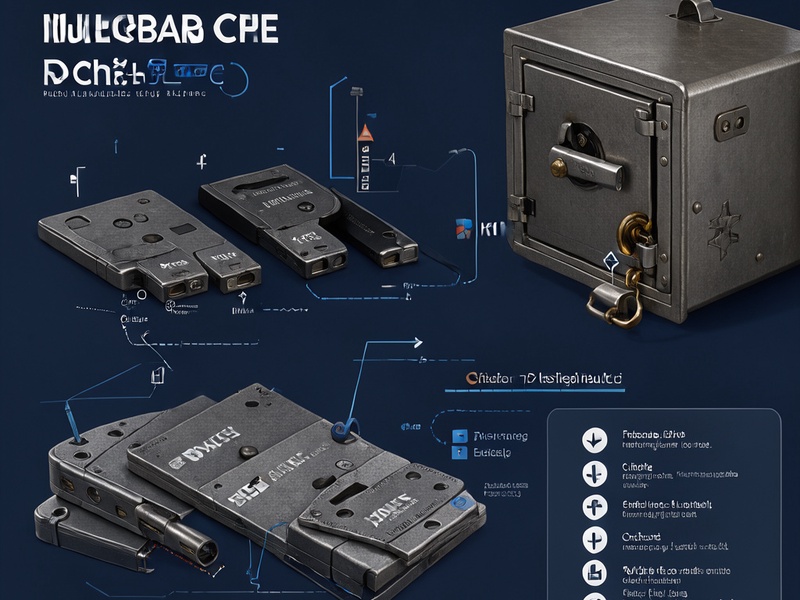
Generate keys on an air-gapped or isolated environment when possible. Record seeds, secret keys, or derivation paths only in approved media. Never store the full secret in email, cloud notes, screenshots, chat apps, or ordinary backup tools.
2. Use Layered Backup Media
Backups should be protected from digital copying while remaining legible over time. Useful options include:
- Steel or metal plates for seed phrases or encoded key fragments.
- Encrypted cold storage devices kept offline.
- Shamir secret sharing, if the key material can be split safely and reassembled only under the agreed policy.
- Tamper-evident seals to detect physical access.
3. Distribute Geographically
Do not keep all backup parts in one building, safe, city, or jurisdiction. A resilient XRP cold wallet backup and recovery strategy separates key material across locations while preserving a known method to combine it safely. If one site suffers fire, flood, seizure, or theft, the remaining locations can still support recovery.
4. Document the Recovery Protocol
Create a non-sensitive operational map that does not expose private keys. It should state:
- Who controls each signer slot.
- Which multisignature threshold is active.
- Which backup medium is expected for each key.
- Where emergency contact and notarization materials are located.
- How to initiate a recovery transaction without signing prematurely.
- Which device must verify a receiving address.

The documentation itself may be encrypted or split so it does not reveal full secrets.
5. Validate Backups Regularly
A backup is only real if it can be restored. Run scheduled drills where participants can locate their key material, confirm metadata, and prove that the backup remains readable. Use a test XRP amount or a secondary recovery account when appropriate. Record dates, participants, results, and any changes to signer roles.
Recovery Strategy: Rebuilding Access Safely
Step 1: Freeze Normal Operations
When a device is lost, a signer is unavailable, or an account looks suspicious, stop sending XRP. Do not broadcast any transaction until the recovery plan is confirmed.
Step 2: Confirm the Threat Model
Determine whether the issue is accidental loss, theft, coercion, insider risk, dead signer, or technical failure. The correct response changes the recovery path. For example, a stolen hardware wallet may require rotation and threshold review, while a deceased signer may require legal coordination.
Step 3: Gather Allowed Signers
Collect enough offline signers to meet the active M-of-N threshold. Use only verified devices, checked network paths, and addresses confirmed on multiple independent screens or hardware displays. Do not trust a single copy-paste address.
Step 4: Build and Sign the Recovery Transaction Offline
Construct a recovery transaction that moves XRP to a new multisignature policy or a verified safe destination. Keep the signing environment isolated. If possible, keep the old signer key material under review until the new policy is live and confirmed.
Step 5: Broadcast with Independent Verification
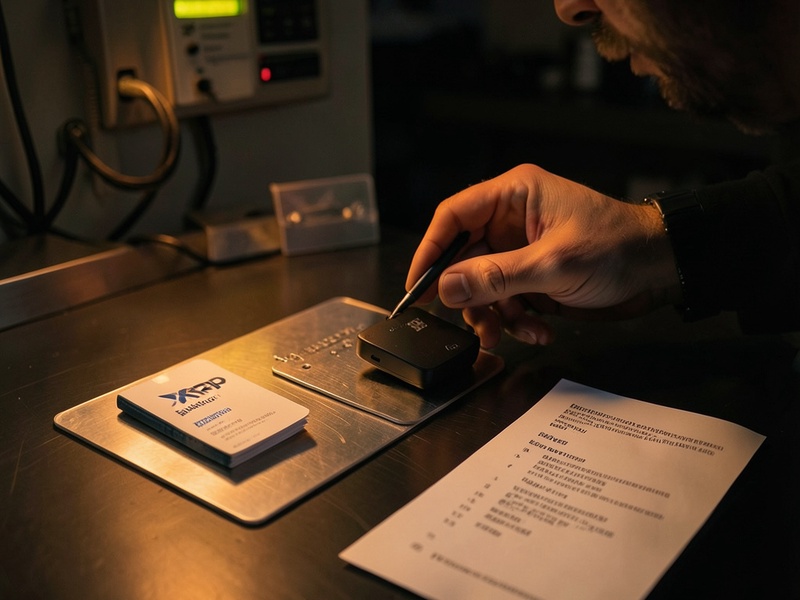
After required signatures exist, broadcast through a controlled node or trusted interface. Check the transaction ID, destination, amount, and signer changes on an independent explorer. For XRP, confirmation is typically fast, but verification discipline still matters.
Step 6: Update the Backup and Recovery Plan
After recovery, rotate exposed secrets, update signer documentation, replace backup media if needed, and review why the failure occurred. A mature XRP cold wallet multisignature backup and recovery strategy improves after every test or incident.
Practical Risks to Manage
- Secret leakage through screenshots or cloud backup can defeat cold storage even with multisignature protection.
- Unmanaged signer turnover can leave one key permanently unavailable.
- Over-complex policies may block legitimate recovery during emergencies.
- Weak physical security can expose enough backup fragments to reconstruct keys.
- No drills make the plan theoretical rather than executable.
Recommended Governance Checklist
- Define the multisignature threshold and justify it by asset size and trust model.
- Assign each signer a written role, contact process, and recovery responsibility.
- Store secrets only in offline, durable, tamper-evident backup media.
- Keep recovery documentation separate from secrets.
- Test recovery quarterly for small amounts and annually for larger reserves.
- Review legal access arrangements for heirs, trusts, corporate entities, or institutional custodians.
Conclusion
A strong XRP cold wallet multisignature backup and recovery strategy is not just a technical setup. It is a repeatable operating system for custody: keys stay offline, secrets are split and protected, signers know their duties, and recovery is tested before it is needed. When done well, it protects XRP holders from single-device loss, insider error, and emergency uncertainty while keeping long-term self-custody practical.