Losing access to a hardware wallet is stressful, especially when the funds inside it matter to you. The honest answer depends on one question: do you still have the ColdCard device itself, and do you still know its PIN?
Step 1: Check whether the device still has your seed
A ColdCard generates its seed on the device and stores it in secure memory. If you still have the device and remember your PIN, the seed is not lost yet. You can view the recovery words from the device's settings menu, write them down on paper or metal, and store them somewhere safe.
If you also used a BIP39 passphrase, the 25th word, you will need it too. The seed words alone will not reveal the same wallet without it.
Step 2: Look for any backup you already made
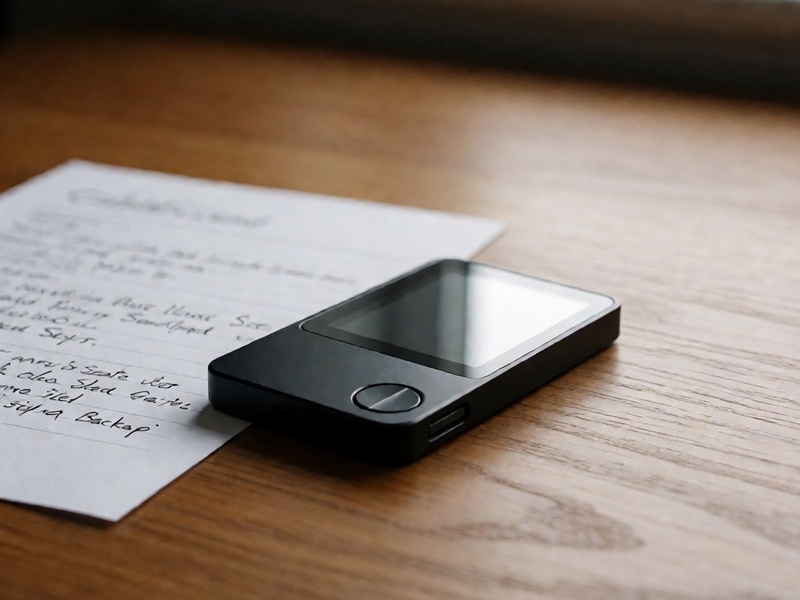
Before assuming everything is gone, search carefully for these items:
- Paper or metal backups in a safe, drawer, or safe deposit box
- Photos or notes in old phones, cloud storage, or password managers
- Printed copies stored with tax or legal documents
- A second hardware wallet or backup device
If you find a partial backup, with some words missing or unclear, there are offline tools that can help narrow down candidate words using the BIP39 checksum. Use these only on an air-gapped computer, and never type your real words into an online website.
Step 3: Confirm your funds are still there
If you know your wallet's extended public key or address, you can open a watch-only wallet to check the balance. This does not require your seed or private key. It tells you whether funds still exist on the blockchain, and it helps you decide how much effort to put into recovery.
What is not possible
If you have lost the device, the PIN, and every copy of the seed words, the funds cannot be recovered by anyone through legitimate means. A BIP39 seed has enough entropy that brute-forcing it is not feasible, and ColdCard does not hold a copy of your seed for you.
Beware of recovery scams
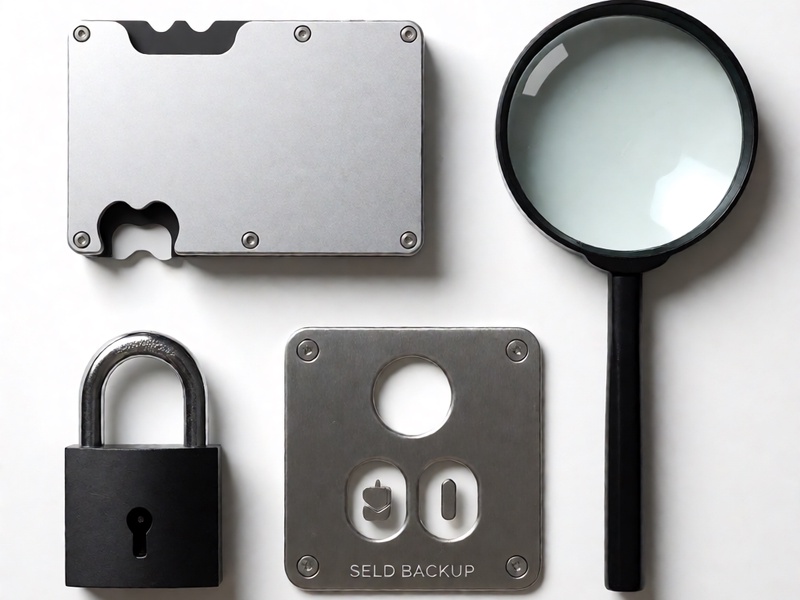
When people lose access to crypto, scammers often target them with promises like guaranteed recovery, hackers who can break into wallets, or fees paid upfront. Treat these offers as fraud. Never share your seed words, private keys, or PIN with anyone, including people claiming to be from Coinkite support. Legitimate support will never ask for them.
Lessons for the future
Once your situation is clear, make sure it does not happen again. Write your seed words on durable material, store at least two copies in separate locations, test your backup by confirming the wallet restores correctly, and keep your PIN and any passphrase recorded somewhere secure but separate from the seed.
Hardware wallets are designed so that no single point of failure gives access to your funds. Good backup habits are what make that design work for you.