Ledger hardware wallets are designed to keep private keys offline, but users can still be targeted by credential-guessing attempts against weak passphrases, device PINs, or app passwords. The most effective strategy is not to improve attack success rates, but to reduce exposure through stronger authentication design, secure backups, and safer user behavior.
Why Weak Credentials Are the Real Target
Dictionary-style password guessing is more effective against human-created secrets than against cryptographically strong random phrases. Attackers often benefit when users choose predictable PINs, reuse passphrases, store seed phrases in cloud notes, or expose their recovery process to phishing sites.
Practical Defensive Measures
- Never enter your seed phrase into websites, emails, support chats, or unofficial apps.
- Use a unique, non-guessable PIN if your device supports configurable PIN lengths, and avoid obvious patterns such as birthdates or repeated digits.
- Treat a BIP39 passphrase as a separate backup secret. If used, it should be stored safely offline and never kept with the seed phrase alone.
- Update firmware only from trusted sources and verify the device before use.
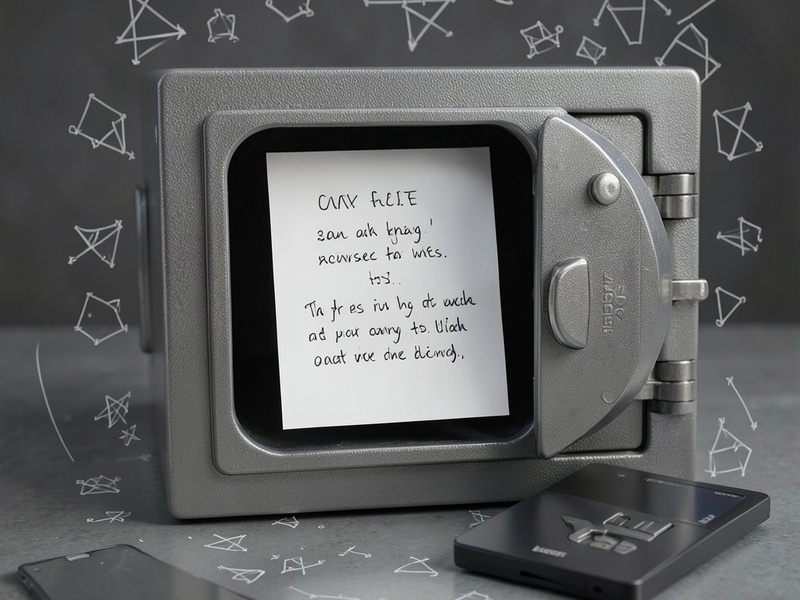
- Store backups in multiple secure physical locations rather than digital copies.
- Be cautious of social engineering, especially fake support messages asking for recovery information.
Security Principle
A hardware wallet’s protection depends on a chain of user-controlled secrets. Strengthening that chain means making passwords, PINs, and seed phrases harder to guess while keeping them offline and recoverable. This is the correct way to resist dictionary attacks and reduce the chance of unauthorized wallet access.