Introduction
Mnemonic phrases—often called seed phrases or recovery phrases—are human-readable encodings of wallet entropy. A phrase in English, Japanese, Spanish, or another supported language is usually not converted by translating each word. In BIP39-style systems, conversion means decoding the source phrase into entropy and then re-encoding that same entropy with a target-language wordlist. This article is a practical mnemonic conversion tutorial for different language environments, with a focus on accuracy, Unicode handling, checksum validation, and offline security.
What conversion really means
- Not translation: The words are indices into a standardized wordlist, not ordinary vocabulary. Translating word meanings can destroy the checksum and create an invalid phrase.
- Entropy re-encoding: A valid conversion preserves the original entropy and optional passphrase. The language changes the display words, not the underlying wallet data.
- Same wallet, different presentation: If the conversion is correct and the BIP39 passphrase is unchanged, the resulting wallet should derive the same accounts and addresses.
- Standard matters: BIP39, SLIP-39, and other mnemonic formats use different rules. Do not mix wordlists or conversion workflows.
Key concepts to check first
- Wordlist language: Confirm whether the source uses the official English, Japanese, Spanish, French, Italian, Korean, Czech, Portuguese, or Chinese BIP39 wordlist, as applicable. Use the official list for the target language.
- Entropy length: Typical BIP39 mnemonics use 12, 15, 18, 21, or 24 words, corresponding to 128, 160, 192, 224, or 256 bits of entropy plus checksum bits.
- Checksum: Every valid BIP39 phrase includes checksum bits. A conversion must validate the source checksum and regenerate a valid target checksum.
- Unicode normalization: Apply NFKD normalization to accented characters and compatibility forms before validating words. Otherwise the same visible word may fail membership checks.
- Whitespace and separators: Extra spaces, tabs, and line breaks can cause errors. Japanese mnemonics may use ideographic spaces U+3000; follow the wordlist and wallet conventions exactly.
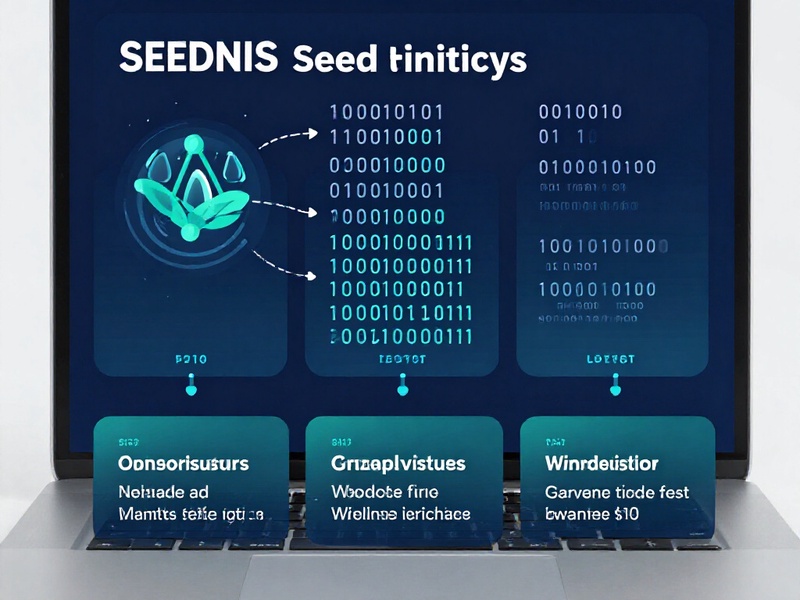
- Passphrase: The optional BIP39 passphrase is not translated. It must be entered exactly as intended, including spaces, case, and Unicode normalization rules supported by the wallet.
Safe preparation
- Work offline on a trusted, air-gapped device whenever possible.
- Use audited open-source wallet software or libraries that explicitly support the required BIP39 wordlists.
- Never enter a real recovery phrase into an online converter, chatbot, cloud note, screenshot tool, or website.
- Keep the original phrase and passphrase physically secure. Test the workflow with public test vectors or a throwaway wallet before using anything valuable.
- Record the source language, target language, standard, and passphrase handling method. Do not store this record with the seed phrase.
Step-by-step conversion workflow
1. Identify the source format
Confirm that the phrase is BIP39-style and identify its language and word count. Check whether the wallet uses a different standard or adds vendor-specific behavior. If the format is unclear, stop and verify before converting.
2. Normalize the input
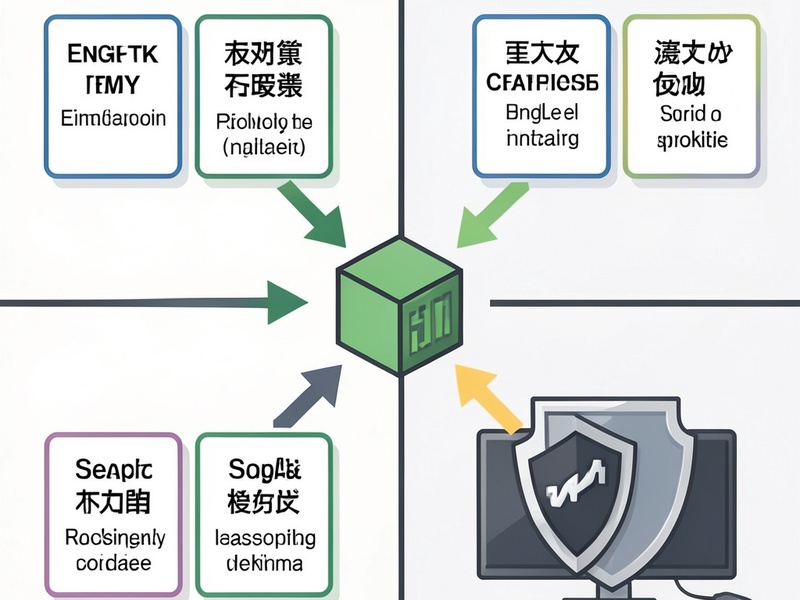
Normalize text with NFKD, collapse unintended whitespace, and replace nonstandard separators with spaces unless the wordlist specifies otherwise. Be careful with Japanese ideographic spaces and accented characters. Avoid autocorrect, smart quotes, and copy-paste artifacts.
3. Validate the source phrase
Verify that every word belongs to the correct source wordlist. Convert each word to its wordlist index, reconstruct the entropy and checksum bits, and confirm that the checksum matches. A phrase that fails validation should not be converted.
4. Re-encode with the target wordlist
Use the validated entropy, append the correct checksum bits for the target format, split the result into 11-bit groups, and map each group to the official target-language wordlist. Do not translate words manually. Use a trusted offline implementation or carefully verified reference code.
5. Handle language-specific formatting
Format the target phrase according to the target wordlist and wallet display rules. For Japanese, confirm whether the wallet expects ideographic spaces between words. For accented languages, preserve normalized characters. For Chinese wordlists, follow the official wordlist rules and the wallet’s spacing behavior.
6. Verify round-trip compatibility
Decode the new target-language phrase back into entropy and compare it with the original entropy. If a BIP39 passphrase is used, verify that the same passphrase is applied in both workflows. In an offline environment, compare derived public addresses or account fingerprints. Do not broadcast or expose private data during verification.
Common pitfalls
- Translating each mnemonic word instead of re-encoding entropy.
- Mixing BIP39 with SLIP-39 or another mnemonic standard.
- Using a nonofficial or mismatched wordlist.
- Ignoring NFKD normalization, causing valid-looking words to fail checks.
- Losing or altering the BIP39 passphrase.
- Forgetting that Japanese and Chinese wordlists may have special spacing and character rules.
- Trusting an online converter with a real recovery phrase.
Practical example without real secrets
A safe way to understand the process is to use public BIP39 test vectors, never a funded wallet. The conceptual flow is: source-language mnemonic -> validated entropy -> checksum regeneration -> target-language wordlist -> target-language mnemonic. If the same entropy and passphrase are used, the wallet derivation should remain compatible. The visible words may look completely different because the language and indices have changed, but the underlying data should match.
Conclusion
Converting a mnemonic across language environments is an entropy re-encoding task, not a translation task. A reliable mnemonic conversion tutorial for different language environments must emphasize official wordlists, checksum validation, Unicode normalization, exact passphrase handling, and offline security. When done correctly, multilingual conversion can make recovery phrases easier to manage across wallets and regions without changing the underlying wallet data.