Why Cold Wallet Backups Matter
A cold wallet keeps private keys offline, away from internet-connected devices. That isolation reduces exposure to malware and remote theft, but it also creates a single point of failure: if the backup is lost, damaged, or unreadable, the coins may be unrecoverable. A sound backup and recovery plan treats the seed and any related materials as the real asset, not the device that generated them.
Bitcoin Unlimited is a full-node implementation. Cold storage used with it follows the same principles as other Bitcoin wallets: protect the seed or private keys, verify that a restore actually works, and keep recovery steps simple enough to execute under stress.
What to Back Up
Most modern wallets derive keys from a recovery seed (often 12 or 24 words). That seed is the primary backup. Also record, in a separate note if needed:
- The wallet type and derivation path, if it is not the common default
- Whether the wallet uses a passphrase (sometimes called a 25th word)
- The approximate date the wallet was created and the software version used
- For multisignature setups, each cosigner’s role, the required threshold, and where each key lives
A passphrase is not stored inside the seed. Losing it is equivalent to losing the wallet, even if the words are intact. Write it down with the same care as the seed, but do not store it in the same physical place if you want defense against a single theft or fire.
Backup Methods
Paper. Write the seed by hand. Avoid printers on networked machines. Check every word against the official word list and against a second handwritten copy. Store copies in separate locations.
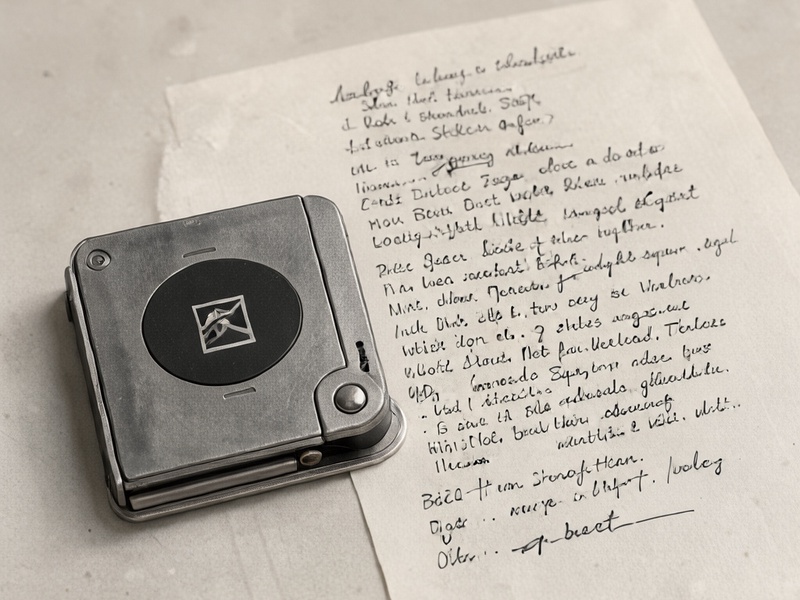
Metal. Stamp or engrave the seed onto steel or a purpose-built metal backup. Metal survives fire and water better than paper. Still keep more than one copy in different places.
Split storage. For larger holdings, consider a multisignature wallet so no single seed can move funds. Alternatively, split knowledge geographically (home safe and a bank box) without relying on clever splitting schemes you cannot reliably reassemble.
What not to do. Do not photograph the seed, store it in cloud notes, email it, or type it into a website “checker.” Do not rely on a single USB drive as the only backup; drives fail and are easy to misplace.
Creating the Backup Safely
- Generate the wallet on an offline or air-gapped machine, or on a reputable hardware wallet.
- Write the seed immediately, before sending any meaningful amount of bitcoin.
- Confirm the written words match the on-screen words, word by word.
- If you use a passphrase, record it separately and test that you can enter it correctly.

- Send a small amount, then practice a full restore on a clean device before funding the wallet with a larger balance.
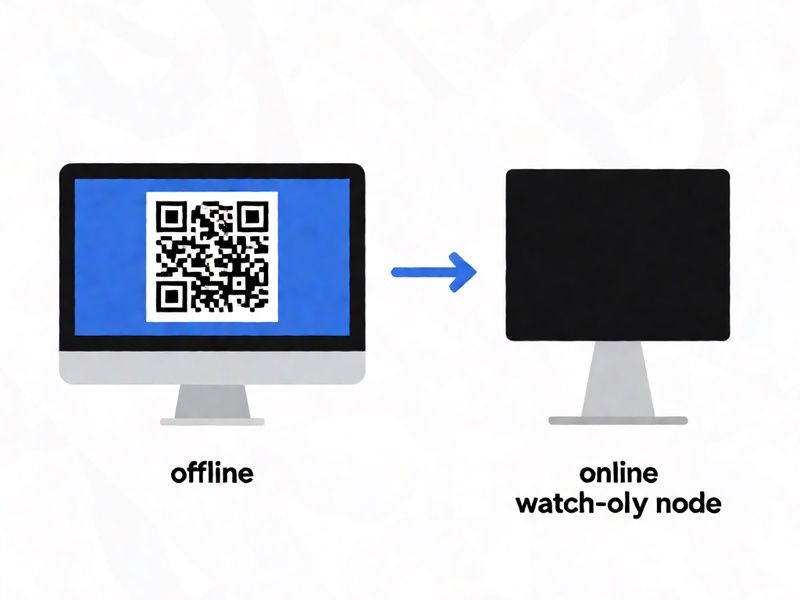
Bitcoin Unlimited can be used to watch addresses or broadcast transactions you create offline. The cold-signing workflow—unsigned transaction on an online watch-only wallet, signature on an offline machine, broadcast back online—never requires the seed to touch the internet.
Recovery Procedure
Recovery means recreating the wallet from the seed (and passphrase, if any) on trusted software or hardware.
- Use a clean device. Prefer a hardware wallet restore, or a computer you have just set up and that is not used for everyday browsing.
- Enter the seed exactly, in order. Correct any word that the wallet flags as invalid before continuing.
- Enter the passphrase if one was used. A wrong passphrase often creates an empty wallet rather than an error, so verify a known receiving address appears before assuming the restore failed.
- Compare restored addresses with addresses you saved earlier, or with a watch-only wallet you already trust.
- Only after addresses match should you treat the restore as successful. Then move funds if the old backup location was compromised.
If a derivation path was non-standard, select that path or import it explicitly. Missing this step is a common reason a “failed” restore actually holds the coins under a different account path.
Testing and Maintenance
- Test recovery before you need it, with a small balance.
- Re-check backups after any change: new passphrase, new cosigner, or new wallet software.
- Replace degraded paper and verify metal stamps are still legible.
- Keep a short written runbook: where backups are, who can access them in an emergency, and which software version you tested.
- Review the plan yearly, or after moves, inheritance planning, or staff changes if an organization holds the keys.
Operational Cautions
Never enter a seed on a website, in a support chat, or on a phone you do not fully control. Recovery scams often impersonate wallet support and ask for the seed “to restore access.” Legitimate software restores locally; no third party needs your words.
If you suspect exposure, create a new wallet, restore only long enough to sign a sweep transaction, and move funds to the new seed. Retire the old backup.
Summary
A Bitcoin Unlimited cold-wallet plan is complete only when the seed (and passphrase) is written down correctly, stored in more than one safe place, and proven by a successful test restore. Multisignature and geographic separation reduce single-point failure. Regular checks and a short recovery runbook matter more than exotic storage tricks.