Why plan backups before the quantum transition
Stellar’s move toward quantum-resistant signatures will touch accounts, signers, trustlines, data entries, and operational workflows. The transition is not only a cryptography upgrade; it is a coordinated migration. If backups are incomplete or recovery paths are untested, teams risk losing control of accounts during signer rotation, misplacing recovery material, or discovering too late that a cold-storage procedure depends on a deprecated key format.
A pre-transition backup and recovery plan turns a high-stakes migration into a controlled series of rehearsed steps. It should establish what must be preserved, how it is protected, who can restore it, and how success is proven before any production account moves to post-quantum signing.
Build a complete account and key inventory
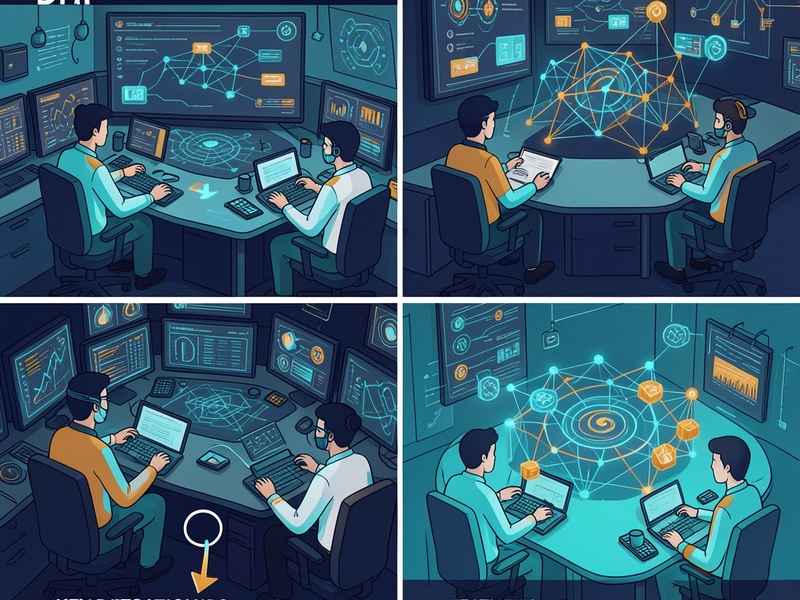
Start with a verified inventory of every Stellar account and signing relationship. Include:
- Public keys, account labels, owners, and business purpose.
- All signers, weights, thresholds, and multisignature configurations.
- Trustlines, asset issuers, balances, and sponsored reserves.
- Data entries, memo conventions, and sequence-number dependencies.
- Hardware wallets, HSMs, paper backups, seed phrases, and custodial arrangements.
- Smart-contract or automation touchpoints that submit transactions.
- Recovery contacts, legal approvers, and escalation paths.
Reconcile the inventory against ledger state and internal records. For each account, record which keys are required to sign, which keys are being retired, and which keys will be replaced. Treat the inventory as a controlled artifact with versioning and access review.
Define recovery objectives and roles
Set explicit recovery time and recovery point objectives for high-value accounts, issuer accounts, and operational hot wallets. Assign roles for backup custodians, approvers, migration leads, testers, and communications. Separate duties so that no single person can both alter a backup and approve its restoration.
Create a signer-rotation matrix before the transition. It should show old signer sets, intermediate migration states, new quantum-resistant signer sets, threshold changes, and the exact transactions or tools required at each step. Multisignature accounts need special care: do not reduce thresholds so far that recovery becomes fragile, and do not lock out required approvers during rotation.
Protect backups with layered controls
Backups must be encrypted, versioned, and stored in separate failure domains. Use offline media or hardware-backed storage for root keys, and keep encrypted copies in geographically distinct locations. Record the encryption scheme, key custodians, media labels, checksums, and restoration prerequisites.
For each backup, document:
- What it contains and which accounts it can recover.
- The key format and wallet or HSM version needed to read it.
- The encryption and access policy.

- The last verification date and verifier.
- The retention period and destruction procedure for superseded copies.
Avoid storing seed phrases and recovery sequences together with the devices they unlock. Where possible, use split-knowledge or threshold recovery so that a single lost envelope does not become a single point of failure.
Create a staged migration and recovery runbook
Write a runbook for the transition from pre-quantum to quantum-resistant signing. Run it first on testnet with representative account structures. Include:
- Pre-checks for backup integrity, signer inventory, and threshold policy.
- A controlled signer-addition and signer-removal sequence.
- Verification that each new signer works and each old signer can be retired safely.
- Rollback or fallback criteria if a transaction fails or a key is unavailable.
- Communication templates for operators, approvers, and stakeholders.
- Post-migration checks for trustlines, data entries, automation, and reserve state.
The runbook should make clear which backups are immutable, which are updated during migration, and which are archived as legal or audit evidence. Preserve pre-transition backups long enough to recover from a delayed discovery of missing metadata, but decommission vulnerable copies according to a defined schedule.

Rehearse restore and key-rotation drills
A backup is not a recovery plan until it has been restored and used. Schedule drills that reconstruct accounts in a sandbox, rotate a test signer set, and submit verification transactions. Measure actual recovery time against the objective. Capture failures such as missing wallet versions, forgotten passphrases, incompatible backup formats, or approver gaps.
For high-value accounts, run a tabletop exercise for partial failure: one custodian unavailable, one backup corrupted, or a signer removed too early. Then run a technical drill on testnet. Update the runbook after every rehearsal and record the exercise date, participants, findings, and corrective actions.
Verify compatibility across tools and custodians
Confirm that wallets, HSMs, SDKs, custody providers, and monitoring tools support the planned quantum-resistant signing scheme before production migration. Validate backup export and import paths, firmware update requirements, and multi-signature workflows. If a provider cannot support the new scheme on the required timeline, define an intermediate custody arrangement and a tested exit path.
Check automation that depends on account sequence numbers, signer lists, or transaction submission. A backup that restores keys but not the surrounding operational state is incomplete. Include configuration files, webhook secrets, and deployment metadata in the recovery scope where appropriate.
Monitor, audit, and decommission cleanly
During the transition, monitor failed signatures, threshold changes, unusual signer updates, and backup verification jobs. Require dual approval for production signer rotations. Keep an audit trail of who accessed backups, when restores were tested, and which accounts completed the migration.
After the transition, archive final backups and migration evidence, revoke or retire vulnerable signers, rotate credentials, and verify that recovery documentation reflects the new quantum-resistant state. Review the plan with security, engineering, and operations. The goal is not merely to survive the transition, but to enter the post-quantum era with recovery capabilities that are stronger, simpler to audit, and proven under rehearsal.