Introduction
For years, the standard advice for crypto self-custody has been simple: write down your seed phrase and keep it safe. But a single piece of paper or metal plate creates a single point of failure. If it is lost, stolen, destroyed in a fire, or found by the wrong person, your entire portfolio can be at risk. Prokey seed phrase sharding offers a smarter alternative by splitting one recovery secret into multiple parts, called shards or shares. Instead of trusting one location with the full key to your crypto, you can distribute risk across several places while keeping recovery possible when you need it.
This guide explains the benefits of Prokey seed phrase sharding, how it compares with traditional backups, and how to use it without creating new security gaps.
What Seed Phrase Sharding Means for Prokey Users
Seed phrase sharding, also known as seed phrase split storage or threshold backup, turns your wallet recovery phrase into several pieces. A predefined threshold determines how many shards are needed to rebuild the original phrase. For example, in a 3-of-5 setup, any three shards can restore access, but one or two shards reveal nothing useful.
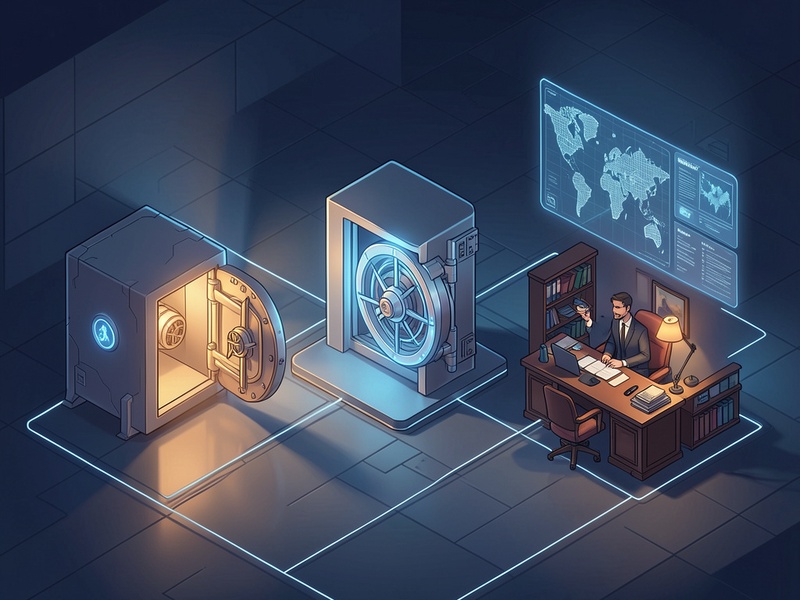
The idea is similar to a bank vault that requires multiple keys. No single key opens the vault, and no single custodian has complete control. With Prokey, sharding can be used as part of a self-custody backup strategy: the hardware wallet remains the everyday signing device, while the sharded backup protects long-term recovery.
A seed phrase backup should not be a fragile secret. It should be a resilient system.
Sharding is not the same as multisig. Multisig uses multiple independent keys and often requires multiple signatures for every transaction. Sharding reconstructs one original seed when enough shares are combined. Both can improve security, but they solve different problems. The main advantage of sharding is that it protects the backup itself, not just the spending process.
Key Benefits of Prokey Seed Phrase Sharding

1. Removes the Single Point of Failure
The biggest weakness of a traditional seed phrase backup is that one document controls everything. A house fire, flood, burglary, or simple misplacement can permanently destroy access. Sharding changes that equation. You can place shards in separate locations, such as a home safe, a bank deposit box, and a trusted family member's residence. Even if one location is compromised, the attacker still does not have enough information to recover the wallet.
For long-term holders, this geographic separation is powerful. It protects against localized disasters while keeping recovery practical. A 2-of-3 setup may be enough for everyday users, while 3-of-5 or higher thresholds are better for larger balances or business treasuries.
2. Improves Theft Resistance and Privacy
If a thief finds a complete seed phrase, the funds can be stolen almost instantly. If a thief finds only one shard, the attack becomes much harder. With a well-designed threshold, one stolen shard does not expose the wallet. The owner can still recover using the remaining shares and then move funds to a new wallet if needed.
Sharding also reduces accidental exposure. You are less likely to photograph, email, or type a complete seed phrase when no single backup contains the whole phrase. For users who worry about cloud backups, spyware, or shoulder surfing, this separation adds a valuable layer of privacy and operational security.
3. Makes Inheritance and Emergency Recovery Easier
Crypto inheritance is difficult because heirs often do not know how to restore a wallet, and giving one person the complete seed phrase creates risk. Sharding can distribute recovery responsibility among several trusted people or institutions. For example, a spouse, an attorney, and a safe deposit box could each hold one shard. When the time comes, the required number of shards can be combined to recover the wallet.
This approach avoids a common dilemma: either one person has too much power, or no one has enough information. A clear written plan can explain where the shards are, which threshold is required, and how to use Prokey to restore access. The shards themselves should remain separate from the instructions, and the full seed should never be stored in one place.
4. Supports Flexible, Long-Term Backup Hygiene
Security is not a one-time task. Devices fail, homes move, relationships change, and heirs may need updated instructions. Sharding makes it easier to rotate backup pieces without exposing the entire seed. If one location becomes untrustworthy, you can replace that shard and redistribute it. If a family member moves, you can update the geographic plan.
For high-value holdings, sharding also pairs well with metal backups, passphrases, and documented recovery drills. The goal is not complexity for its own sake. The goal is a backup system that stays reliable under stress.
Practical Best Practices for Sharded Seed Storage
To get the benefits of Prokey seed phrase sharding, the implementation matters as much as the concept. Use these guidelines:
- Choose a sensible threshold. Use 2-of-3 for smaller portfolios and 3-of-5 or higher for significant holdings. Avoid thresholds that are too complex for your heirs to understand.
- Separate shards geographically. Store them in different buildings, cities, or jurisdictions when appropriate. Never keep all shards in one safe, even if it feels convenient.
- Use durable materials. Paper burns and water damages. Metal seed storage plates or stamped backups are better for shards that must survive disasters.
- Never store all shards together. A complete set in one place defeats the purpose. Treat each shard as sensitive, even though it is not the full seed.
- Test recovery before relying on it. Recover a small test wallet first. Confirm that the threshold works and that your instructions are accurate.
- Document locations, not secrets. Write down where shards are and who controls them, but do not write the shards themselves in the same document.

- Review your plan regularly. Update contacts, locations, and recovery instructions after major life changes.
- Use trusted, audited methods. Do not invent your own splitting scheme. Use the sharding method supported by Prokey or a well-reviewed standard such as Shamir backup.
The best backup is not the most complicated one. It is the one that still works when you are unavailable, stressed, or gone.
Common Misconceptions and Risk Controls
Sharding is not a magic shield. If an attacker obtains enough shards, the wallet can be recovered. That means each shard must be protected, and the threshold must be chosen carefully. A weak threshold, such as 2-of-2, is fragile because losing one share makes recovery impossible. An overly complex threshold can also fail in practice if heirs cannot coordinate.
Another common mistake is storing shards with the same person or in the same cloud account. That recreates the single point of failure. Similarly, a shard stored on a phone photo roll or email draft is not truly separated from digital threats.
It is also important to understand recovery compatibility. Before committing large funds, confirm that your chosen wallet, Prokey device, and backup method can restore the seed correctly. Keep firmware updated, store recovery instructions offline, and consider a BIP39 passphrase as an additional layer if you understand the risks of losing it.
Conclusion
Prokey seed phrase sharding gives crypto holders a more resilient way to protect their recovery phrase. By splitting a seed into multiple shares and requiring a threshold for recovery, it reduces the damage of theft, fire, loss, and inheritance mistakes. It also supports better privacy, flexible backup rotation, and clearer emergency planning.
No backup strategy is perfect, but sharding is a major improvement over trusting one piece of paper with your entire financial future. Use it with a hardware wallet, durable materials, geographic separation, tested recovery steps, and a written plan. When done well, Prokey seed phrase sharding turns a fragile secret into a durable, distributed safety net.