Restoring a Cosmos wallet from a seed phrase is only the first step. Because Cosmos is an interchain ecosystem, your assets may be spread across dozens of appchains, IBC channels, staking positions, and governance modules. Once the wallet is recovered, you need a repeatable system for discovering balances, tracing transfers, and monitoring future activity.
1. Start With a Complete Inventory
After recovery, open your wallet in a trusted interface such as Keplr, Leap, or Cosmostation. Verify that the derived address matches your old address. Most Cosmos wallets use the derivation path m/44'/118'/0'/0/0, but some wallets or account indexes can differ. If the address does not match, try the next account index before assuming funds are lost.
- Confirm the seed phrase was entered only in an official wallet or hardware wallet interface.
- Check whether the wallet imported as a hot wallet or as a watch-only account.
- Compare the recovered address with any old screenshots, transaction records, or explorer bookmarks.
- If you used a hardware wallet, reconnect it and verify the same public key is being derived.
2. Add and Verify Every Cosmos Chain
A recovered wallet may look empty simply because the relevant chains are hidden. Cosmos wallets rely on chain registries and RPC endpoints to display balances. Add every chain where you previously held assets.
- Use the Cosmos Chain Registry and Cosmos Directory to find official chain IDs, RPC endpoints, REST endpoints, and denoms.
- Add chains manually when a wallet does not list them automatically.
- Check native staking tokens first, then IBC voucher tokens, then CosmWasm or app-specific tokens.
- Switch RPC endpoints if balances fail to load; public endpoints can be rate-limited or out of sync.
3. Trace IBC Transfers and Vouchers
Many Cosmos assets move through IBC. When you send ATOM from Cosmoshub to Osmosis, the receiving chain may show an IBC voucher instead of the original denom. These vouchers can be difficult to recognize after a wallet recovery.
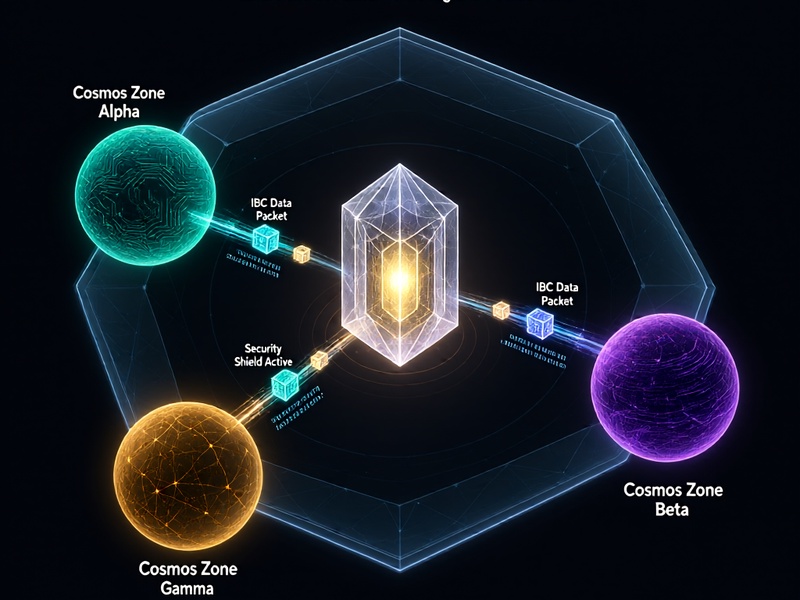
- Use explorers such as Mintscan, Ping.pub, Big Dipper, and Cosmos Scan to review transaction history.
- Search by address, transaction hash, or IBC channel.
- Trace the packet from source chain to destination chain and confirm whether it completed, timed out, or was refunded.
- Use IBC map tools to identify the original chain and denom behind an
ibc/...token. - Avoid swapping or approving unknown IBC tokens until you verify their origin.
4. Track Staking, Unbonding, and Rewards
Staked assets do not sit in your wallet balance. They are recorded in the chain state under your delegator address. After recovery, you must check each chain for delegations, unbonding entries, and pending rewards.
- Review delegations per validator and confirm validator status.
- Check unbonding periods, which can last days or weeks depending on the chain.
- Claim staking rewards carefully; frequent small claims can create tax and record-keeping noise.
- Watch for jailed or tombstoned validators that may stop earning rewards.
- Use explorer dashboards to set reminders for unbonding completion and reward compounding.
5. Monitor Airdrops, Governance, and Vesting
Cosmos chains often distribute airdrops, launch governance votes, and enforce vesting schedules. These events can affect your asset tracking even if you never initiate a transaction.
- Check airdrop eligibility trackers and claim pages for each ecosystem chain.
- Follow governance proposals that could change tokenomics, inflation, or network upgrades.
- Review vesting accounts to understand when locked tokens become transferable.
- Keep a separate note for claim deadlines so you do not miss time-sensitive distributions.
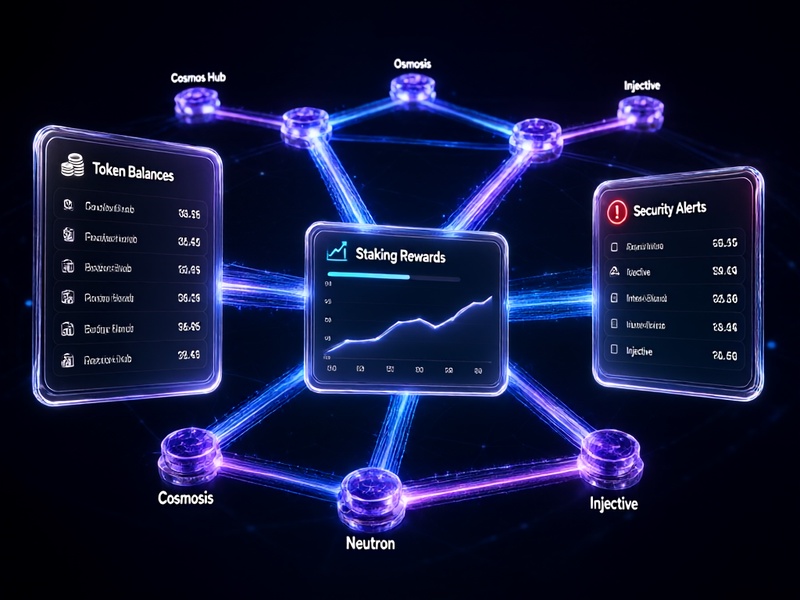
6. Set Up Alerts and Ongoing Monitoring
Manual checking is not sustainable. Build a monitoring stack that alerts you when important events happen.
- Enable notifications in Keplr, Leap, or Cosmostation where available.
- Use explorer watchlists, such as Mintscan watchlists, to follow addresses.
- Track portfolio value with wallet dashboards or a spreadsheet that records balances by chain.
- Set alerts for large outbound transfers, staking reward changes, unbonding completion, governance votes, and new airdrop claims.
- Use community Telegram or Discord alert bots only after verifying they do not request your seed phrase or private key.
- Review your watchlist monthly and remove old addresses or chains you no longer use.
7. Security and Privacy Best Practices
Asset tracking should never compromise security. Recovery is a high-risk moment because scammers target users searching for missing funds.
- Never share your seed phrase, private key, or keystore file with anyone.
- Bookmark official wallet and explorer sites instead of clicking search ads.
- Use a hardware wallet for significant holdings and keep a separate hot wallet for daily activity.
- Create watch-only addresses for monitoring without exposing signing keys.
- Check for unused authz grants, feegrants, or contract permissions and revoke what you no longer need.
- Be skeptical of urgent messages claiming your wallet needs to be revalidated or migrated.
8. Keep Tax and Audit Records
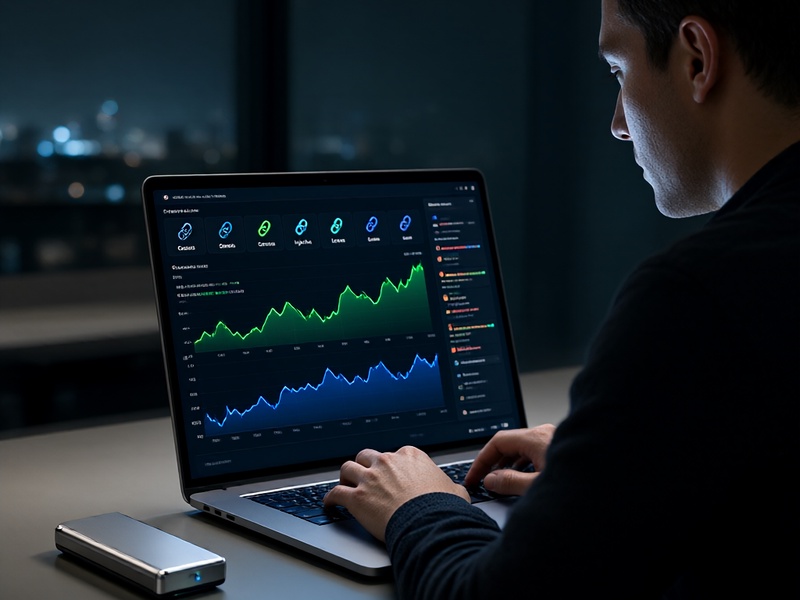
A recovered wallet can make historical record keeping harder, especially if you used multiple chains and IBC transfers. Start organizing data as soon as possible.
- Export transaction history from explorers and wallets where possible.
- Record chain name, transaction hash, date, amount, denom, and counterparty for each material event.
- Track staking income, airdrops, trading gains, and IBC transfers separately.
- Use crypto tax software that supports Cosmos chains, or maintain a clean CSV for your accountant.
- Back up records and wallet labels in encrypted storage.
9. Troubleshooting Missing Assets
If assets still appear missing, work through common causes before panicking.
- Wrong derivation path or account index.
- Chain not added or RPC endpoint failing.
- IBC voucher token not imported into the wallet.
- Assets staked, unbonding, vested, or held in a liquidity pool.
- Funds sent to a centralized exchange deposit address or another user by mistake.
- Transaction still pending or packet not yet relayed.
Conclusion
Cosmos wallet recovery is not just about restoring an address. It is about rebuilding visibility across an interchain portfolio. Create a complete inventory, add every relevant chain, trace IBC vouchers, monitor staking and governance, and set up alerts that surface important activity. With a disciplined tracking routine and strong security habits, you can recover not only access to your assets but also confidence in how you manage them.