Introduction
For users who keep digital assets organized across mobile, web, and browser extensions, losing access can be stressful. Cross-Platform Zerion Password Recovery is not about bypassing security or using risky tools. It is about understanding the legitimate recovery paths built into modern crypto wallets and account systems. Whether you changed devices, reinstalled the app, or forgot an unlock password, the correct process depends on what type of credential you actually lost.
Understand Which Credential You Need to Recover
Wallet Unlock Password
A wallet unlock password usually protects access to the wallet on a specific device or browser. If you forget this password, there may be no direct way to reveal it without a valid backup or recovery method. In many cases, the safest solution is to restore the wallet from a seed phrase or an encrypted export.
Seed Phrase or Recovery Phrase
The seed phrase is the core recovery tool for a self-custody wallet. It is typically a 12-word or 24-word phrase generated when the wallet was created. If you have the seed phrase, you can restore access to your assets on another device, a different platform, or a reinstalled app. You never need to share the seed phrase with anyone.
Account Login Password
Some wallet experiences connect a user profile through email, social sign-in, or other account identifiers. If the issue is with the account login rather than the wallet unlock password, a standard password reset through the official login flow may be enough.
Backup Location
Cross-platform recovery often depends on where the backup was stored. A seed phrase written offline, an encrypted cloud backup, a browser extension export, or a mobile app backup can all play different roles. Confirming the backup location is the first practical step.
Legitimate Cross-Platform Recovery Paths
1. Restore with a Backup Recovery Phrase
This is the most common and safest path for self-custody wallets.
- Install the official Zerion app or extension only from the verified source.
- Choose the option to import an existing wallet or restore from a backup.
- Enter the recovery phrase only inside the official client, never on a random website.
- Create a new unlock password that you can store safely.
- Test the restored wallet on another supported platform to confirm access.
This method works across mobile and desktop environments because the wallet state is controlled by the backup phrase, not by the forgotten password.
2. Use Cloud Backup or Encrypted Export
If you previously enabled a supported cloud backup or saved an encrypted wallet export, you may be able to migrate to a new device without exposing sensitive details.
- Check whether backup is still available in your old account settings.
- Ensure the new device has the latest version of the official app.
- Use the backup file or cloud import flow carefully.
- Avoid entering private keys, seed phrases, or passwords into unverified apps.
Encrypted backups should be stored with strong local security. If the backup file is protected by an unknown password, recovery may still require a verified reset process or official guidance.
3. Recover the Account Login First
If your wallet is tied to an account identity, start by recovering that login.
- Use the official password reset link.
- Check email folders for reset messages.
- Confirm the sender domain and avoid links from suspicious DMs.
- After logging in, review which wallet devices or browser sessions are authorized.
This can help clarify whether the problem is account access, device sync, or the wallet unlock password itself.
4. Contact Official Support When Unsure
If you cannot identify your backup method, reach out through official support channels only. A legitimate support team will never ask for your full seed phrase, private key, or wallet unlock password. They may help you verify your device, backup status, or account association.
Important Security Rules
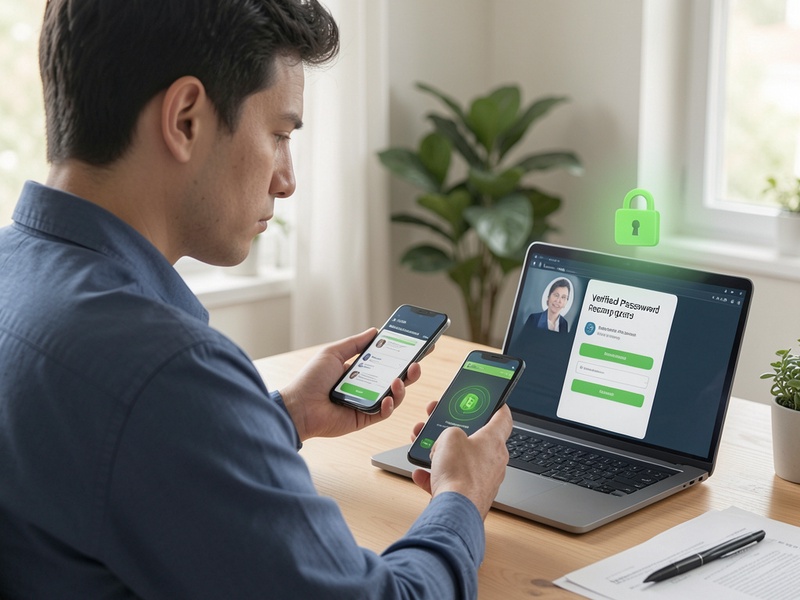
Never Share Your Seed Phrase
Your seed phrase is the master key to your wallet. No real support agent, website, app update notice, or community manager should ever ask for the complete phrase. If someone asks, stop immediately.
Avoid Password Recovery Scams
Search terms like password bypass, crack, decrypt, or unlocker often lead to malicious software, fake tools, and phishing pages. A crypto wallet password cannot be safely recovered by third-party attack tools. Legitimate recovery depends on backup data, account access, or official support.
Verify the Software Source
Only install from official app stores, verified extension marketplaces, or confirmed project channels. Malicious clones can look almost identical to real wallets and may request your phrase under the guise of recovery.
Protect Your Devices
Recovery becomes riskier when your phone or computer is compromised. Keep your operating system updated, use a strong device password, and avoid using public computers for wallet restoration.
If You Have No Backup and Forgot the Password
This is the hardest scenario. In self-custody environments, the user controls the key material. If the password is forgotten and there is no seed phrase, backup export, or supported recovery method, the assets may not be recoverable. This is a core trade-off of non-custodial wallets: you keep control, but you must also keep backups.
Do not waste time searching for unofficial password recovery services. Most requests for seed phrases or wallet keys are attempts to steal funds. Instead, focus on preventive habits for future wallets.
Preventing Future Cross-Platform Lockouts
Use a Password Manager
Store your unlock password, backup password, and device password in a reputable encrypted password manager. Keep a secondary secure backup of the password vault if possible.
Write Down the Seed Phrase Securely
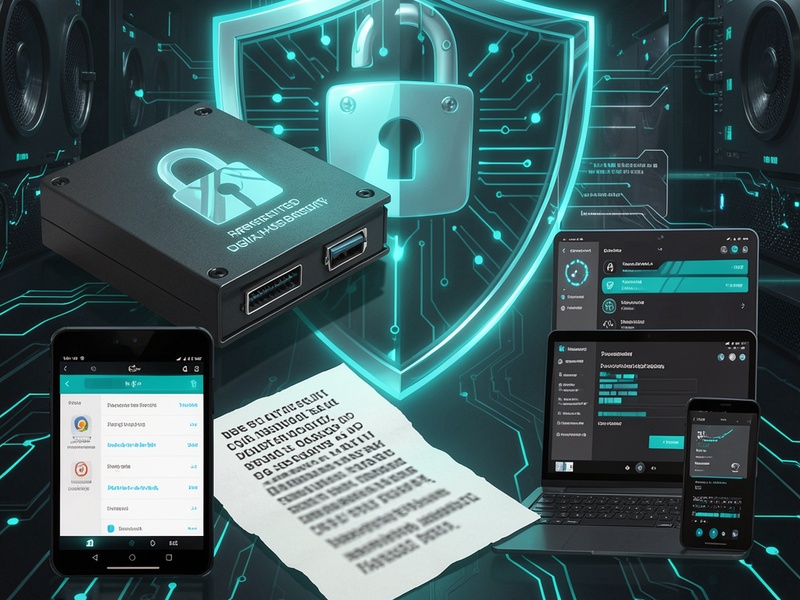
A handwritten or metal-backed seed phrase stored offline is much safer than cloud notes with weak protection. Keep it in a controlled environment, and confirm it is legible and complete.
Test the Recovery Flow
After creating a wallet, do a safe recovery test by exporting or restoring to a clean environment when appropriate. Verify that your backup actually works before a lockout happens.
Separate Devices and Platforms
Use a secure phone for mobile, a trusted browser profile for the web extension, and a password manager for credential storage. Keep software versions consistent across platforms to reduce confusion after updates.
Maintain a Recovery Checklist
A simple list can save hours during an emergency:
- Which platform contains the wallet
- Where the backup is stored
- What password is protecting the backup
- Which login email is associated with the account
- When the last verified recovery test occurred
Final Checklist for Cross-Platform Zerion Password Recovery
- Confirm whether you lost the wallet password, account login, or seed phrase access.
- Restore only through official apps or extensions.
- Use your verified backup phrase first if available.
- Treat cloud or encrypted backup files as confidential and protected.
- Reject any request that asks for your full seed phrase or private key.
- If recovery is impossible, focus on securing future wallets with tested backups.
Cross-Platform Zerion Password Recovery becomes manageable when users understand the difference between passwords, seed phrases, and account credentials. The safest route is always the one that uses official apps, verified backups, and strict privacy discipline. With careful preparation, switching between mobile, web, and extension platforms can be secure rather than dangerous.