As more users adopt Digital Shield, the popular zero-knowledge self-custody platform for digital asset management, a common user question emerges: if you forget your account password, is there a way to recover access without using your original mnemonic (recovery) phrase? For many users, keeping track of a 12 or 24-word recovery phrase can feel cumbersome, and the risk of losing access entirely after a forgotten password is a major source of anxiety. This guide breaks down the platform’s core security design, valid recovery paths, and hard limits to help you navigate access restoration accurately.
Core Zero-Knowledge Security Model of Digital Shield
Digital Shield was built on a core principle: no platform team, server, or third party can ever access, view, or restore a user’s private keys. Unlike centralized financial apps that store user credentials on company servers to enable password resets, Digital Shield encrypts all private key material locally on a user’s device at the time of account creation. The account password acts as the sole user-controlled key to unlock this locally stored encrypted vault. This architecture eliminates single points of failure and removes the risk of platform-side data breaches exposing user assets, but it also means there is no universal centralized “reset password” button.
Direct Answer: Is Password Recovery Possible Without Your Mnemonic Phrase?
The short answer is: it depends on the recovery safeguards you set up before losing access to your account. There is no universal, one-size-fits-all recovery path offered directly by the Digital Shield team, because the platform never holds the data needed to unlock your vault. That said, users who pre-configured non-mnemonic recovery options can often restore full account access without ever typing in their recovery phrase.

It is critical to note that if you meet none of the pre-configured recovery criteria, recovery without a mnemonic phrase is mathematically impossible under the platform’s design—there is no hidden backdoor, employee override, or paid recovery service that can bypass this encryption.
Valid Non-Mnemonic Recovery Workarounds
Most users who set up basic security features during onboarding will have at least one of these recovery paths available, no mnemonic required:
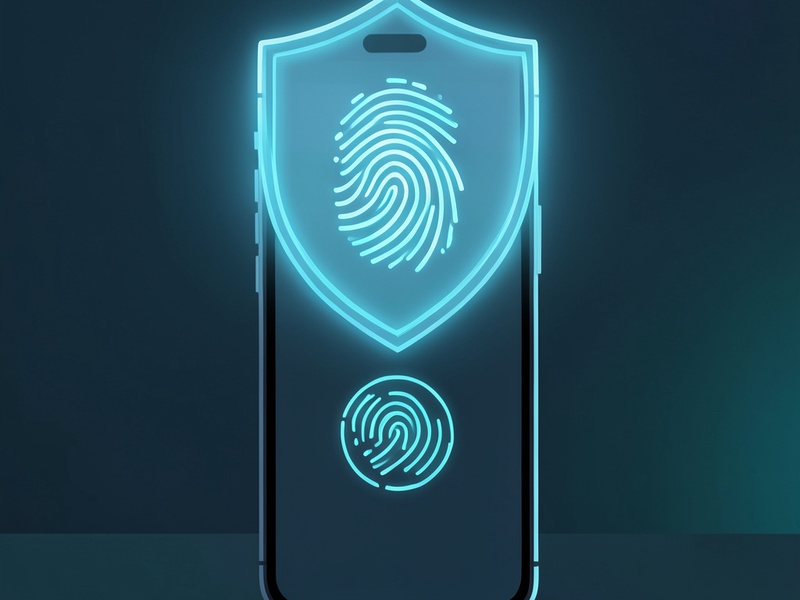
- Biometric authentication bypass: If you previously enabled fingerprint or Face ID unlock in your Digital Shield settings, you can complete the biometric verification check directly on your lock screen to enter your account, then set a new custom password from the security menu. This method works as long as you have not cleared the app’s local storage or uninstalled the application.
- End-to-end encrypted private cloud backup: Users who opted in to the platform’s optional cloud backup feature store an encrypted copy of their vault in their own personal cloud storage (iCloud, Google Drive, or self-hosted storage). The backup file is encrypted with a key tied to your verified email and device ID, rather than being stored on Digital Shield’s servers. When restoring, you can verify ownership of your linked email and device to decrypt the backup file and reset your password, no mnemonic needed.
- Hardware security module (HSM) key binding: If you linked a physical hardware security key (such as a YubiKey or device-level secure enclave) to your account during setup, you can insert or tap the hardware key during the login flow to authenticate your identity, unlock your local vault, and set a new password. This recovery method is designed for high-security users who prefer not to rely on written recovery phrases at all.
Irreversible Scenarios Where No Recovery Is Possible
There are specific situations where even the most pre-configured recovery steps will not work, and recovery without a mnemonic phrase is impossible:
- You uninstalled the Digital Shield app and cleared all local app data, with no pre-saved encrypted cloud backup linked to your account.
- Your biometric data is corrupted, and you have no hardware security key or cloud backup tied to your account.
- You changed the email or device ID linked to your cloud backup without reconfiguring the recovery settings in the app.

In all these cases, the encrypted vault holding your private keys is permanently inaccessible, and even the Digital Shield team cannot help, as they never held a copy of the encrypted key material.
Best Practices to Reduce Future Access Risk
To avoid being locked out of your account long-term:
- Enable at least two non-mnemonic recovery options (such as biometric unlock + hardware key binding) during initial setup.
- Store a copy of your mnemonic phrase in an offline, physically secure location as a last-resort backup.
- Test your recovery paths every 3 to 6 months to make sure they function as expected, before you experience a forgotten password scenario.