Losing access to an Arculus wallet can feel urgent, especially when Bitcoin, Ethereum, or other assets are involved. Whether you forgot a PIN, partially lost a 12-word or 24-word recovery phrase, damaged a hardware device, or cannot confirm a backup, recovery is often possible when you work calmly, methodically, and offline. This guide focuses on Arculus wallet recovery and backup methods while connecting them to the broader principles found in the Crypto Wallet Recovery Guide at /.
Key Safety Rule Before You Start
- Only recover wallets you own or are legally authorized to access.
- Never enter a full seed phrase, private key, or password into any random website, chatbot, or online form.
- Treat any service that asks for your 12/24-word recovery phrase as a likely scam.
- Use offline, air-gapped devices when working with mnemonic fragments, password guesses, or derivation-path tests.
What Usually Makes Up an Arculus Wallet Backup
Arculus wallet protection can involve several layers depending on the device version, app setup, and user configuration:
Recovery phrase or seed phrase
- Often a 12-word or 24-word BIP39-style mnemonic.
- May be used to derive Bitcoin, Ethereum, and other compatible addresses.
Device PIN or local unlock method
- Used on the card, phone, app, or companion device.
- If forgotten, the device may offer its own reset, lockout, or factory recovery path.
Account or app backup
- Some setups rely on an associated account, encrypted backup file, keystore, or cloud-stored metadata.
- Account access alone does not prove that your private key is fully backed up.
Hardware or card integrity
- If the Arculus device is damaged, your seed phrase and PIN are still usually the most important recovery assets.
- Do not attempt destructive hardware repair if a valid backup exists; that can reduce recovery value or violate support conditions.
Step-by-Step Arculus Recovery Workflow
Step 1: Inventory What You Still Have
Before using tools, classify your situation:
- Do you have the full recovery phrase?
- Do you remember part of the phrase, such as a few words or the first letters?
- Do you remember the PIN or password?
- Do you have access to the Arculus app, website account, or paired phone?
- Is the hardware card still readable?
- Were assets stored only on the device, or also backed up in another wallet?
Write down the facts without connecting them to any network service. If you have only a password, a partial mnemonic, or an encrypted keystore file, you may still have a viable recovery path.
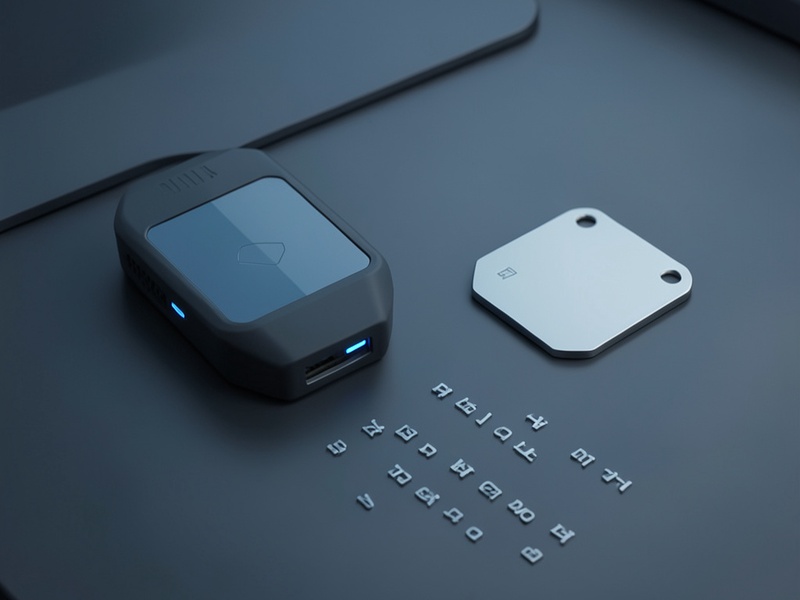
Step 2: Check the Official Arculus Backup or Recovery Section
If the app or device is still accessible:
- Open the Arculus application or device management interface.
- Go to Backup, Recovery, Security, or Seed Phrase settings.
- Confirm whether a backup already exists.
- If possible, verify the stored backup by checking the word count, order, checksum, or derivation path.
- Do not share screenshots or photos containing the full seed phrase.
This step matters because many losses are not actually unrecoverable; users may simply be looking in the wrong place or using a wallet app that does not show the original backup clearly.
Step 3: Recover from a Complete 12/24-Word Mnemonic
If you have the full phrase:
- Use an offline environment with no internet access.
- Import or verify the mnemonic in a trusted wallet tool such as Electrum, Ledger, or a compatible BIP39 tool.
- Confirm the word count and checksum.
- Try the original wallet type:
- Bitcoin: native SegWit, Legacy, or Taproot paths may differ.
- Ethereum: default account paths are common, but older custom paths may exist.
- Multi-coin wallets may use different derivation paths per asset.
- Test only after confirming you are not exposing the seed phrase to an untrusted network.
For Bitcoin, tools and clients such as Electrum can help inspect address derivation paths. For Ethereum, MetaMask or MyEtherWallet-style workflows can help verify balances after importing a recovered seed phrase, but only when done locally and cautiously.
Step 4: If the Phrase Was Lost but You Have a Password, Keystore, or PIN
A password is not the same as a seed phrase. If you remember a wallet password but not the mnemonic, you may need to decrypt a keystore file, local database, backup archive, or encrypted wallet export.
Safe options include:
btcrecoverfor wallet password or seed-phrase fragment searches.Hashcatfor GPU-accelerated password cracking when you own the file and know hints.- Local
Pywalletor BIP39 libraries for verifying candidate mnemonic patterns offline.
Good password patterns to test:
- Old phone passwords.
- Common uppercase, lowercase, number, and symbol variations.
- Dates related to wallet creation, birthdays, or device purchase.
- Partial words or fragments that may have been hidden by memory loss.
Always perform password cracking offline. Never upload private files to online password checkers.
Step 5: If You Partially Remember a Mnemonic Phrase
BIP39 mnemonics are usually drawn from a 2048-word English wordlist. Missing words may be recoverable if the number of unknown positions is small and you remember the general order or fragments.
Try to reconstruct:
- The first few letters of unknown words.
- Any known full words.
- Word order and position numbers.
- Whether the phrase was 12, 18, or 24 words.
- If the missing part was a checksum word, such as the final word.
If only one or two words are missing, an offline search can often narrow possibilities. If many words are missing, the remaining entropy may make exhaustive recovery impossible. In that case, stop guessing online and document the fragments so you can test them safely offline.
Step 6: If the Arculus Card or Device Is Damaged
When a hardware card, reader, or paired device fails:
- Check whether you can still sign in to the associated app or account.
- Look for a backup phrase stored securely elsewhere.
- If no backup phrase exists, contact official support before attempting physical recovery.
- Do not expose the device to high heat, moisture, or destructive disassembly.
- If a valid recovery phrase is present, the damaged device may not be necessary; the phrase can often be imported into a compatible wallet or hardware solution.
Hardware recovery is a last resort. If the seed phrase is available, protect the phrase first and then deal with the hardware.
BIP39 and BIP32 Basics for Arculus Users
Most modern wallets use a layered recovery model:
- BIP39 turns entropy into a readable mnemonic phrase.
- The mnemonic is converted into a seed.
- BIP32 derives hierarchical deterministic keys from that seed.
- Different wallets and assets use different derivation paths.
This is why a recovered phrase can sometimes show an empty balance. The phrase may be correct, but the software may be using the wrong path, coin type, or account index.
Common causes include:
- Imported as Bitcoin when the funds were Ethereum.
- Used the wrong derivation path such as BIP44, BIP49, BIP84, or a custom path.
- Used a passphrase added after the original mnemonic.
- Recovered into a wallet that does not display older address formats.
Practical Tools Worth Knowing
These tools are useful only when run offline and only on wallets you own.
btcrecover: Designed to help recover lost passwords, seed phrases, or fragments using pattern-based and dictionary-based methods.Hashcat: Powerful password recovery engine for encrypted files, keystore passwords, backup files, and similar data.Pywalletor BIP39 libraries: Helpful for checking wordlist combinations, checksum validity, and derivation paths in Python environments.- Electrum: Useful for Bitcoin address, path, and wallet recovery workflows.
- Ledger or compatible BIP39 hardware wallets: Useful for testing derived balances when you have a recovered seed phrase.
- MetaMask or MyEtherWallet-style tools: Useful for Ethereum address verification when the recovered phrase is compatible.
Never copy private keys, seed phrases, or encrypted backups into a tool you do not understand. Verify the source and use an air-gapped machine whenever possible.
Backup Methods That Prevent Permanent Loss
A good backup plan is more important than a recovery plan. After recovering access, create backups that survive stress:
- Metal or fire-resistant seed storage
- Paper fades, tears, and burns.
- Metal backup plates resist many physical threats.
Multiple geographic copies
- Keep at least two or three offline copies in secure locations.
- Do not keep all backups in the same house, vault, or cloud account.
Split or sharded backups
- Consider multi-signature setups for large funds.
- Consider Shamir-style fragmentation when appropriate, but understand that poor sharding can make recovery harder.
Clear derivation notes
- Record the wallet type, coin type, path, passphrase, and creation date separately from the seed phrase.
Test recovery regularly
- Restore into a clean offline device and confirm that expected addresses appear.
Common Mistakes That Reduce Recovery Chances
- Trusting a random person who claims they can recover your wallet without tools.
- Searching for wallet hacks or recovery services online instead of using local software.
- Guessing mnemonic words on an internet-connected device.
- Forgetting that a seed phrase without its derivation path may not reveal the correct balance.
- Using a password guessing list on a public machine.
- Assuming a PIN reset proves the backup phrase was exported.
- Losing a passphrase in addition to the mnemonic.
- Restoring into a wallet that hides older or non-default address types.
When Professional Help May Be Needed
Advanced recovery may require assistance if:
- The backup file format is unknown.
- The device uses a proprietary recovery protocol.
- The hardware has suffered physical corruption.
- Multiple passphrase layers exist.
- You need forensic analysis of an old encrypted backup.
Even then, use reputable professionals and maintain control of your own offline evidence. Do not hand over a full seed phrase or private key to an unverified third party.
Key Takeaways
- Arculus wallet recovery usually depends on the recovery phrase, PIN, app backup, hardware condition, and derivation path.
- A complete BIP39 phrase should be verified offline before importing it into any wallet.
- Passwords, keystore files, and partial mnemonics can sometimes be recovered with tools such as
btcrecover,Hashcat, and BIP39/Pywalletworkflows. - Hardware damage does not mean asset loss if a valid seed phrase exists.
- The safest recovery path is calm, offline, and evidence-driven.
- Future protection comes from tested backups, multiple offline copies, clear path notes, and avoiding cloud-only storage.
This guide is intended as an Arculus-focused extension of the Crypto Wallet Recovery Guide at /, connecting device-specific recovery steps with universal Bitcoin and Ethereum wallet backup practices.