Dogecoin wallets are often protected by a single seed phrase or private key. That simplicity is convenient, but it creates a dangerous single point of failure. If the seed is lost, stolen, or destroyed, the wallet and its funds may be gone forever. Multisignature, or multisig, offers a stronger recovery model by requiring more than one key to authorize a transaction.
What Multisignature Means for Dogecoin
Dogecoin inherits a Bitcoin-like scripting system and supports multisignature scripts, typically through P2SH addresses. In an m-of-n multisig wallet, n keys are created, and any m of them must sign before Dogecoin can be spent. A common setup is 2-of-3: three keys exist, but any two can approve a transaction.
This changes recovery security in a fundamental way. Instead of depending on one seed, the wallet depends on a threshold of keys. If one key is lost, the remaining keys can still recover access. If one key is stolen, the attacker usually cannot spend alone. The trade-off is that multisig requires more planning, better documentation, and careful testing.
Why Multisig Improves Recovery Security
1. It removes a single point of failure
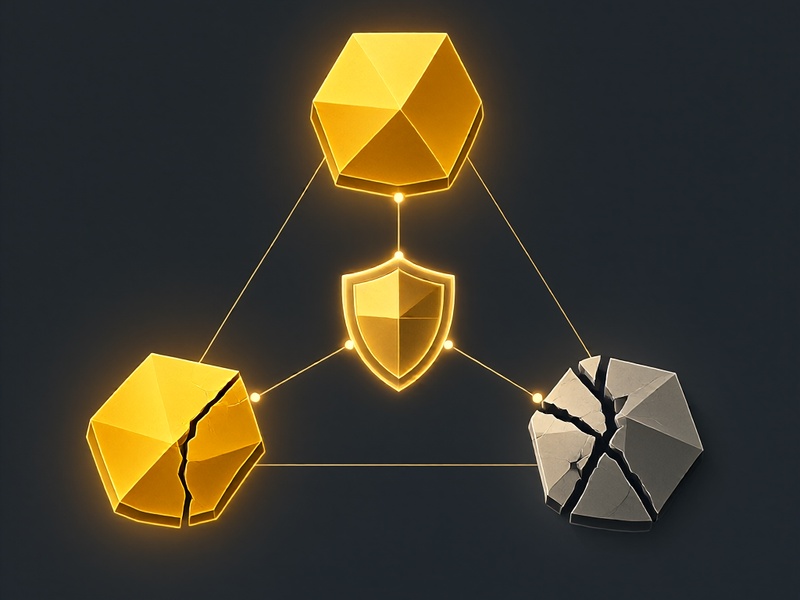
A single-key Dogecoin wallet fails completely when that one key fails. A 2-of-3 multisig wallet can survive the loss of one key. A 3-of-5 setup can survive the loss of two keys, though it is more complex to manage.
2. It distributes risk across locations and people
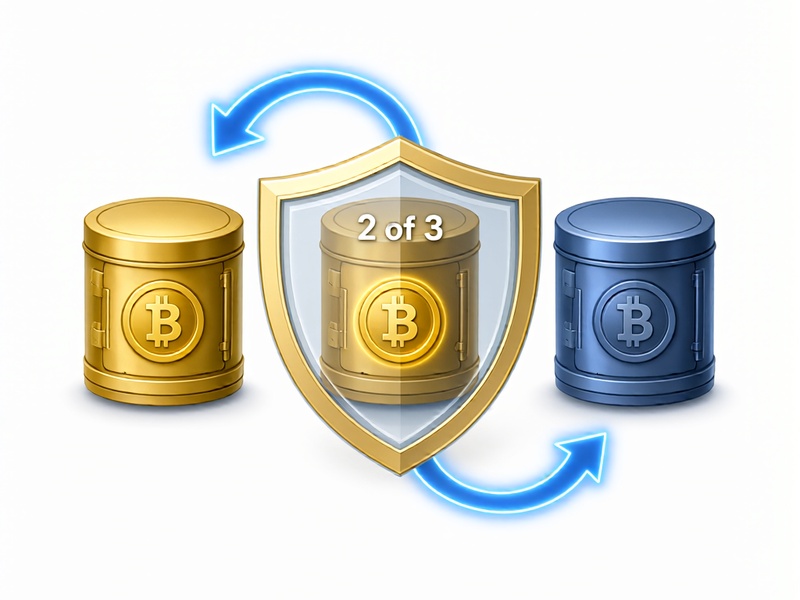
Keys can be stored in separate places, such as a home safe, a bank vault, and a trusted relative or attorney. This reduces the impact of fire, theft, natural disaster, or a single compromised device.
3. It supports safer inheritance and social recovery
With multisig, an heir or trusted co-signer can hold one key without having full control. When the owner dies or is incapacitated, the remaining key holders can cooperate to recover funds. This must be supported by clear legal and technical instructions, because multisig recovery is not automatic.
4. It limits the damage of one compromised device
If a hardware wallet, computer, or paper backup is compromised, the attacker still needs the threshold number of keys. A 2-of-3 wallet is not perfect, but it is much harder to attack than a single seed.
Designing a Recovery-Focused Dogecoin Multisig Wallet
Start by choosing a threshold that balances security and recoverability. For many individuals, 2-of-3 is a practical starting point. It allows one key to be lost without losing funds, and one key to be compromised without immediate theft.
Next, choose compatible wallets and devices. Not every Dogecoin wallet supports multisig, and support can vary between hardware wallets, desktop wallets, and coordination tools. Verify Dogecoin compatibility before committing funds. Use different vendors or software where possible to avoid a shared bug or supply-chain weakness.
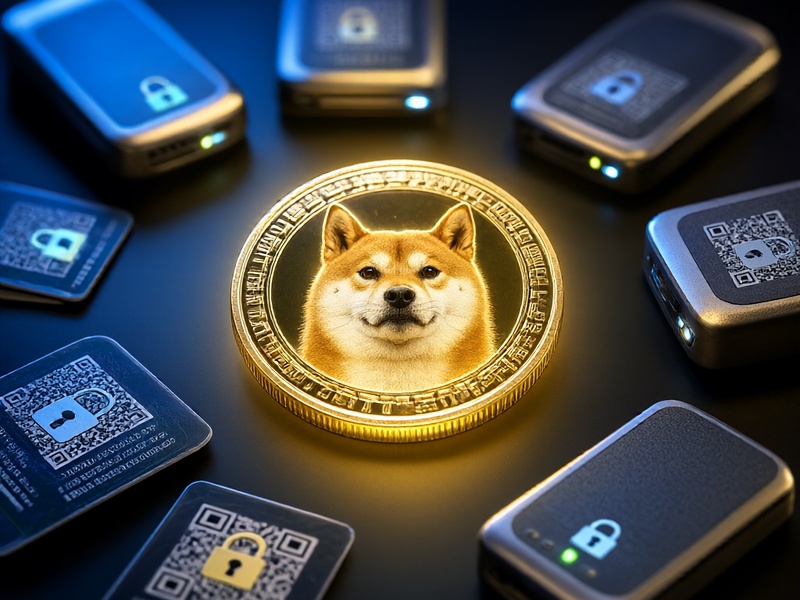
Back up more than seed phrases. A multisig recovery often requires the wallet descriptor, derivation paths, extended public keys, the redeem script, and the address type. Without this public recovery data, even the right seeds may not be enough. Store encrypted copies in multiple secure locations.
Separate the keys. Never keep all keys in one place. For example, keep one hardware wallet at home, one in a safe deposit box, and one with a trusted person. Do not store all related passwords, PINs, and seed phrases together.
Document the recovery process. Write clear instructions for how to rebuild the wallet, collect signatures, and broadcast a transaction. Include wallet names, versions, derivation paths, and contact information for key holders. Keep the document updated when software or devices change.
Test the setup. Create the multisig wallet, send a small amount of Dogecoin, and practice spending it. Then simulate losing one key and confirm that the remaining keys can recover and spend. A backup that has never been tested is only a hope, not a recovery plan.
Operational Best Practices
- Use hardware wallets for keys that sign transactions.
- Keep firmware and wallet software updated from official sources.
- Store encrypted backups offline, and avoid cloud screenshots or email copies of seeds.
- Use strong, unique passwords and store them separately from backups.
- Review the setup at least once a year and after any major life change.
- Train key holders and heirs before they need to act.
- Remember that multisig transactions may be larger and require slightly higher fees than simple Dogecoin transactions.
Common Pitfalls to Avoid
Multisig can improve recovery security, but it can also create new failure modes. Avoid these mistakes:
- Choosing 2-of-2 or 3-of-3, which leaves no room for key loss.
- Using 1-of-3, which provides no real security benefit.
- Losing the wallet descriptor or redeem script.
- Assuming any Dogecoin wallet can restore any multisig setup.
- Skipping recovery tests.
- Sharing keys through insecure channels.
- Creating a setup so complex that no one can recover it.
Conclusion
Multisignature can significantly strengthen Dogecoin wallet recovery security by removing single points of failure and distributing control across multiple keys. But it is not a set-and-forget upgrade. A successful multisig recovery plan requires a sensible threshold, compatible software, complete public backup data, secure key storage, clear instructions, and regular testing. Used carefully, multisig can turn Dogecoin recovery from a single fragile secret into a resilient, coordinated process.