This tutorial uses the term "O3" as a workflow, service, or model stack name. The goal is to restore it to a known-good state using open-source tools, not to recover proprietary model weights.
What Recovery Means
When an O3-based system fails, the recoverable pieces are usually:
- Application code and configuration
- Runtime environment and containers
- Databases, queues, caches, and vector indexes
- Prompt templates, model configs, and feature flags
- Logs, evals, and monitoring baselines
Step 1: Freeze and Assess
- Disable traffic and background workers.
- Snapshot the current server, containers, volumes, and config files.
- Note the last timestamp when the service was healthy.
- Decide whether the issue is code, environment, data, or the model endpoint.
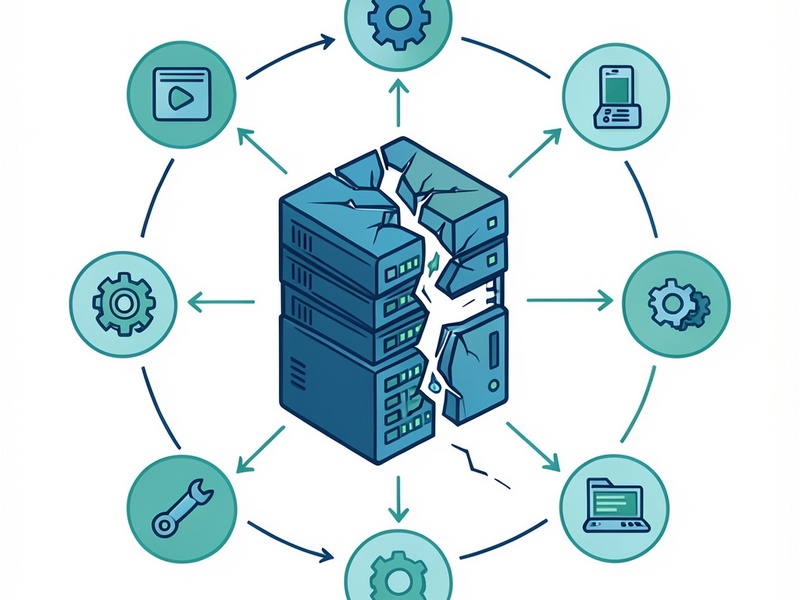
Step 2: Restore Code and Configuration
Use Git to recover the last stable release:
git fetch origin
git checkout v1.4.2
Restore infrastructure definitions such as Docker Compose files, Kubernetes manifests, Terraform state, or Ansible playbooks. If configuration is stored in a versioned config repo, roll it back to the known-good commit.
Step 3: Rebuild the Open-Source Runtime
Recreate the service environment from a clean base image:
docker compose up -d --force-recreate
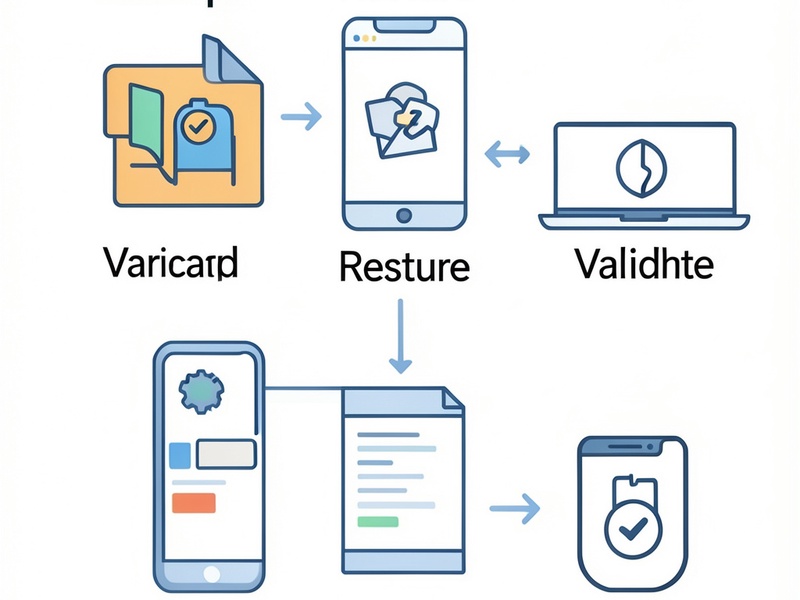
For open-weight model stacks, tools such as Hugging Face Transformers, llama.cpp, or vLLM can be installed from the pinned dependency file. If your O3 workflow calls a proprietary API, restore the API client settings, retries, rate limits, and secret references instead of trying to reconstruct the model itself.
Step 4: Restore Data Stores
A common recovery pattern is:
- PostgreSQL: restore from a dump or point-in-time recovery.
- Redis: restore from RDB/AOF backup or rebuild cache from source.
- Object storage: copy files from a bucket backup or MinIO remote backup.
- Vector database: rebuild indexes after restoring documents, or restore the index snapshot.
Always restore from the latest healthy backup, then verify checksums or row counts.
Step 5: Validate the Workflow
Run a small, controlled test suite:
- Health checks and readiness endpoints
- One or two golden prompts or sample requests
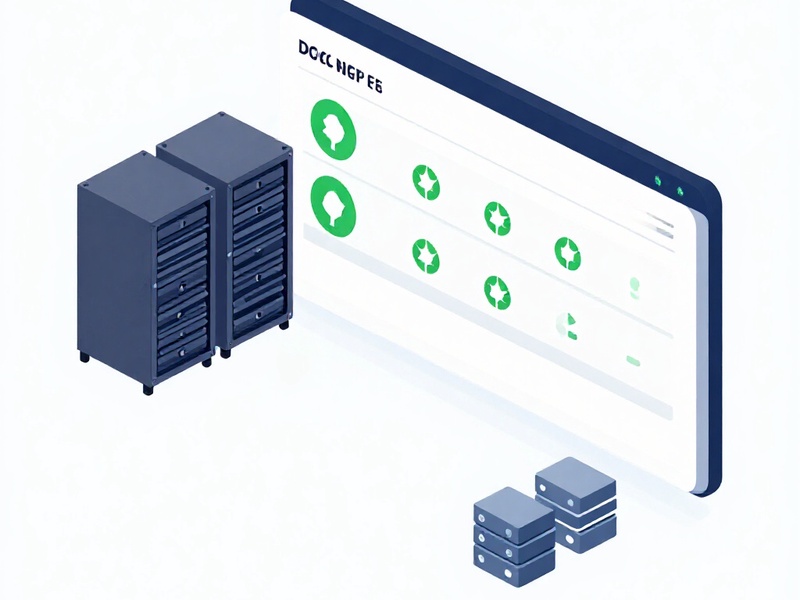
- Output schema and response quality checks
- Latency and error-rate measurements
Use MLflow, Prometheus, Grafana, OpenTelemetry, or a simple log review to confirm behavior.
Recovery Checklist
- Code rolled back to a stable Git tag.
- Environment rebuilt from pinned dependencies.
- Secrets restored from an encrypted vault.
- Database and indexes restored and verified.
- Model server restarted with the correct configuration.
- Golden tasks passed.
- Monitoring enabled for the next 24 to 72 hours.
Prevention
The best recovery is a boring one. Keep backups immutable, automate dependency rebuilds, pin model versions where possible, and document one clear rollback command for each O3 component.